- Curetify
- Posts
- Is intermittent fasting the ultimate secret to eternal health — or a dangerous hype that will destroy us?
Is intermittent fasting the ultimate secret to eternal health — or a dangerous hype that will destroy us?
The truth about intermittent fasting: science-backed hacks, hidden risks, and how to get fast, lasting results

Marcel Gärtner
September 24, 2025

“Before we dive into intermittent fasting, a quick note: on Monday, September 29, 2025 the newsletter will get a new name. Everything else — the content and format — stays the same; we’re only changing the name to better match our vision. You’ll find out the new name on Friday, September 26. Now enjoy the read 😊”
“What is intermittent fasting?
Intermittent fasting is a simple plan about when you eat, not about what you eat: you pick a daily time window to have your meals (for example 12:00–20:00) and fast the rest of the time (only water, black coffee or tea). During the fast your body uses stored energy, which can help reduce snacking and make it easier to eat fewer calories overall; shorter windows (like 14–10 or 16–8) are easiest to try first. It’s important to eat real, protein-rich meals inside your eating window, drink enough water, and stop if you feel dizzy or very tired — and people who are pregnant, breastfeeding, on certain medications, or have an eating-disorder history should check with a doctor first.
Example (16:8): fast overnight → 07:30 black coffee/water → 12:00 meal (protein + veg) → 18:30 dinner → stop eating at 20:00.
Do I automatically burn fat if I do intermittent fasting?
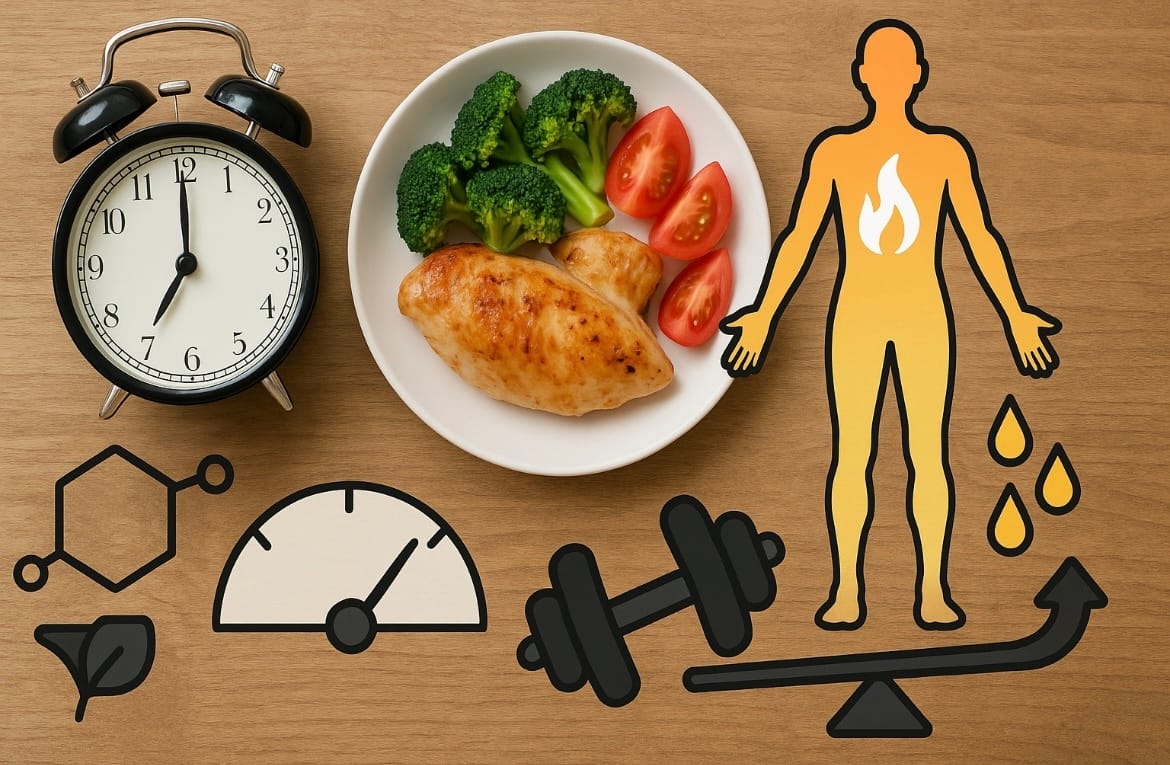
Intermittent fasting works mostly by changing when you eat, not by magically burning fat: by shrinking your eating window (eg. 16:8) people often skip one or two snacks and cut roughly 200–500 kcal/day, which — over weeks — creates the caloric deficit needed for fat loss. During fasting insulin levels drop (better insulin sensitivity), and after ~12–24 hours the body can shift toward burning more fat and ketones (the metabolic switch/ketosis). Whether weight loss becomes fat rather than muscle depends on food quality, hitting enough protein and doing resistance training. So: IF is a practical tool to make a calorie deficit easier and to nudge metabolism, but it doesn’t automatically equal fat loss without the right calories, protein and exercise (keywords: caloric deficit, insulin, metabolic switch, protein, whole foods).
Does it affect the menstrual cycle or hormones?
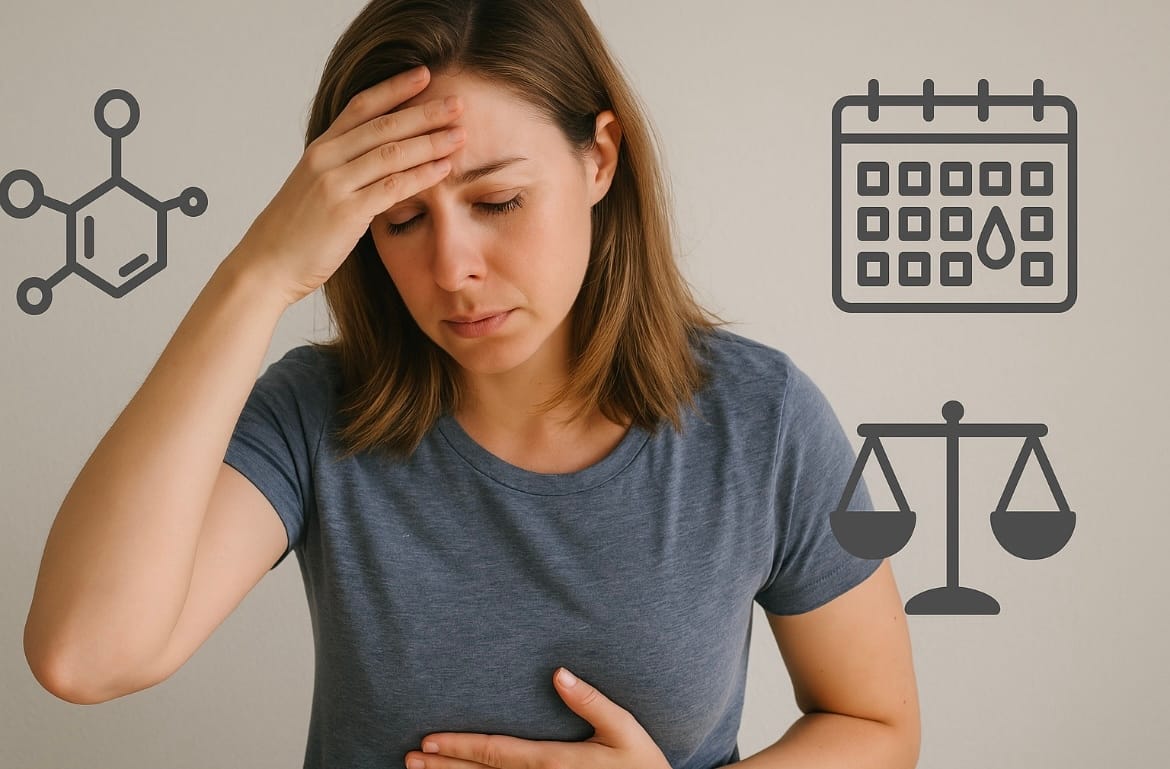
Intermittent fasting (IF) means you only eat during certain hours each day (for example 16:8 = eat 8 hours, fast 16 hours). For many women it’s okay and can help with things like blood sugar.
But if someone fasts too long or doesn’t eat enough, the body can get stressed and stop normal hormones — that can make periods skip, make you very tired, or lower your mood.
Signs to watch: your period stops, you feel always exhausted, or you lose lots of hair. If that happens, stop fasting and tell a parent and a doctor.
If you want to try it safely, start small (eat within 12–14 hours overnight), eat enough protein, sleep well, and don’t do really long fasts alone.
Can I train while fasting — and when is the best timing?
Many people exercise before eating, but whether it feels good or not depends on the kind of workout. For easy things like a short walk, light jog or a quick home circuit, your body can pull energy from stores and fasting usually works fine. For heavy lifting, long hard sprints or very intense sessions you’ll do better if you’ve eaten recently or if you plan the session inside your eating window—your muscles need carbs and protein for top performance and recovery. If you do lift while fasting, a small snack 30–60 minutes before (e.g. a banana + 10–15 g protein) helps, and try to eat ~20–30 g protein soon after. Always drink water, stop if you feel dizzy, and start gently; women, people on medication, pregnant or with health issues should check with a clinician.
Example day (16:8):
07:30 — 30 min easy jog (fasted) → hydrate.
12:00 — first meal (protein + veggies).
17:00 — heavy strength session (inside eating window).
18:00 — post-workout meal with ~25 g protein.
How quickly will I see results?
Results come in stages and depend on what you do and where you start. In the first week you often see quick water loss (≈1–3 kg / 2–6 lb) if you cut carbs or calories. From weeks 2–4 real fat loss usually begins—expect about 0.25–1 kg (0.5–2 lb) per week with a sensible calorie deficit. After 4–12 weeks most people notice clothes fitting differently and strength gains; bigger, lasting body changes take 3 months+.
Quick tip: aim for a small deficit (~300–500 kcal/day), eat enough protein, do resistance training, sleep well and be consistent — that’s what makes results real and lasting.
How to Begin Intermittent Fasting
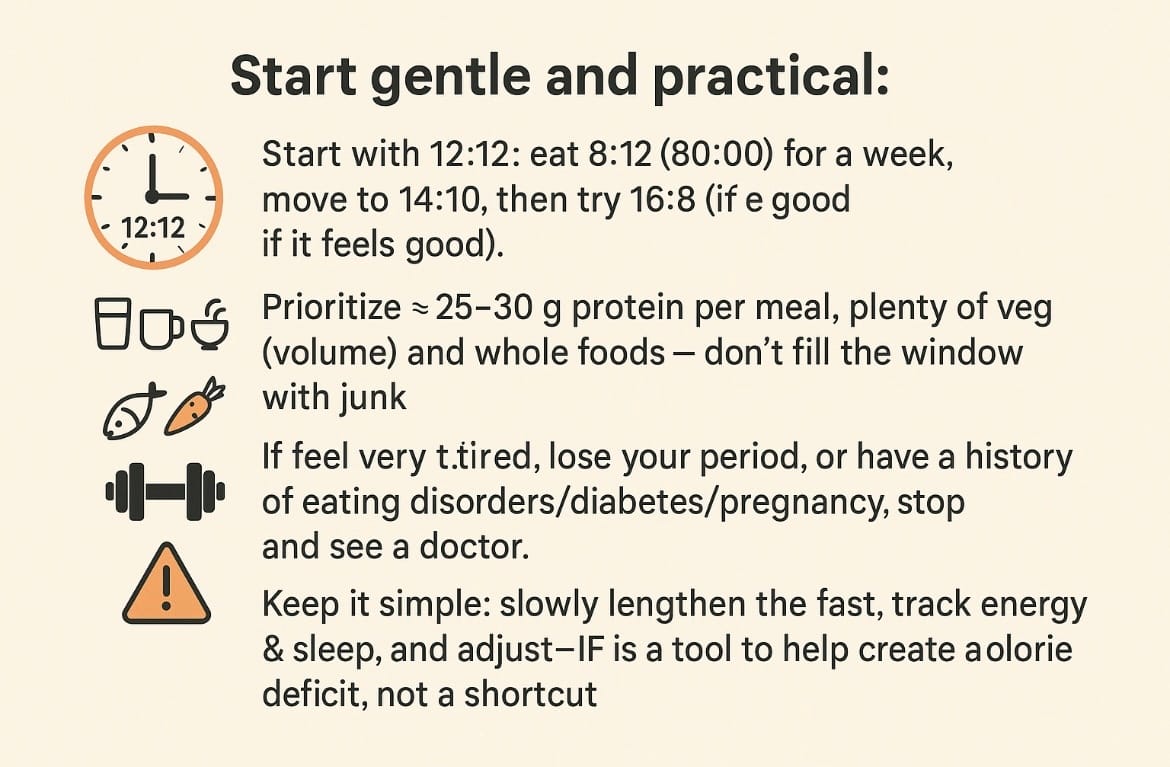
Start gentle and practical: begin with 12:12 (eat 8:00–20:00) for a week, move to 14:10, then try 16:8 (e.g. 12:00–20:00) if it feels good.
During fast: water, black coffee, and unsweetened tea are fine.
Prioritize ~25–30 g protein per meal, plenty of veg (volume) and whole foods — don’t fill the window with junk.
Time heavy strength sessions so you can eat soon after (train near the end of your fast or inside the eating window).
If you feel very tired, lose your period, or have a history of eating disorders/diabetes/pregnancy, stop and see a doctor.
Keep it simple: slowly lengthen the fast, track energy & sleep, and adjust—IF is a tool to help create a calorie deficit, not a shortcut.
“I hope you enjoyed the post. Please leave a comment telling me if you’ve ever tried intermittent fasting, and feel free to suggest topics you’d like next. Wishing you a great week”
Stay healthy and enjoy your life