- Curetify
- Posts
- Last week in Health: Are Most People Eating Wrong Without Even Knowing It?
Last week in Health: Are Most People Eating Wrong Without Even Knowing It?
New U.S. Nutrition Guidelines: The Updates Most People Haven’t Heard About

Marcel Gärtner
January 19, 2026
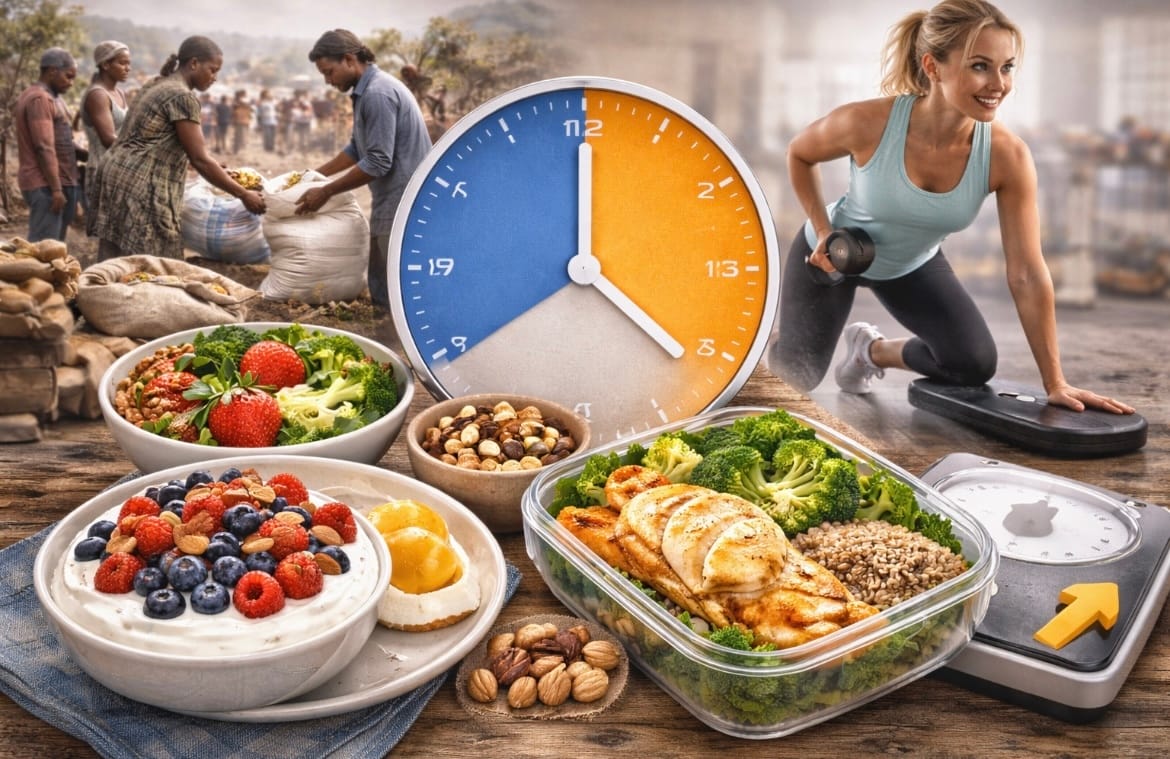
This week, we’re looking at major updates in health and nutrition — from new U.S. nutrition guidelines that could change what “healthy eating” really means, to the alarming rise of hunger in West and Central Africa. We’ll also break down what new research reveals about intermittent fasting, why even small weight loss can have powerful health benefits, and what happens to strength and fitness after 35 — plus what you can do to stay on track.
And when you put all of this together, one question stands out… what if most people are trying to get healthier in the completely wrong way?
New US Nutrition Guidelines (Most People Are Eating Wrong Without Knowing It)
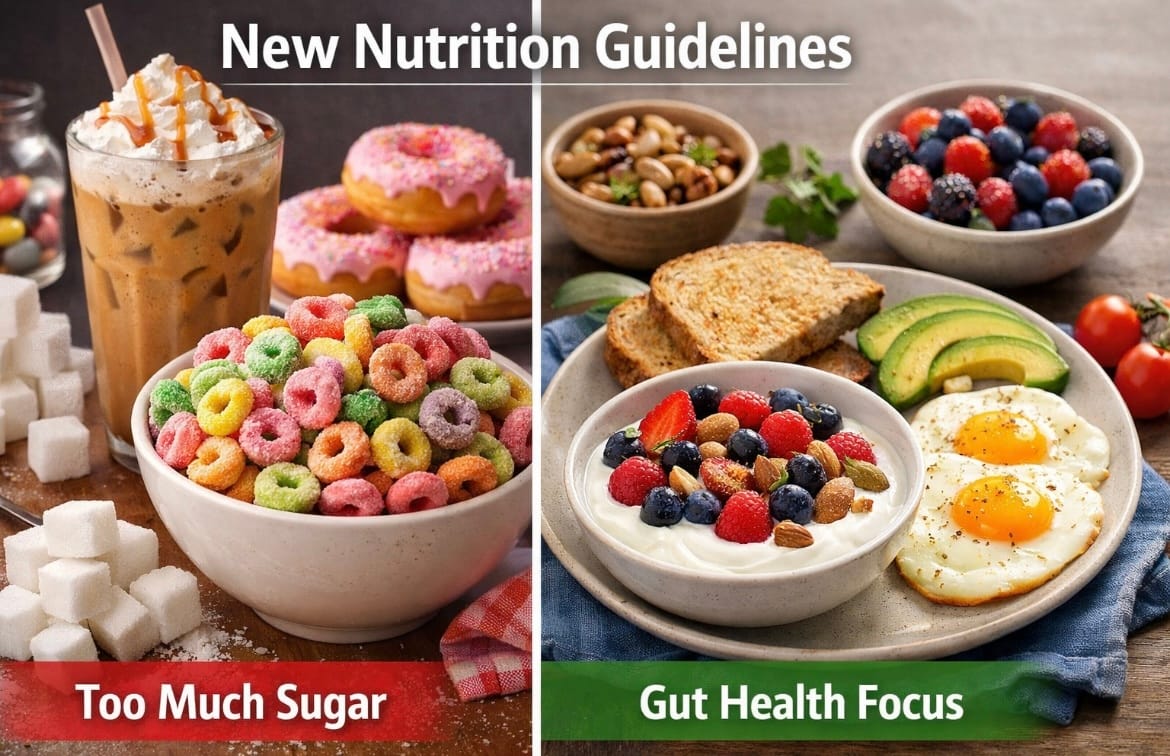
In the U.S., new nutrition guidelines were recently announced, and they focus mainly on two big ideas: reducing sugar and taking gut health more seriously. The message behind it is simple—many people eat far more added sugar than they realize, and over time this can affect energy levels, cravings, weight, and even overall health. At the same time, researchers and health experts are paying more attention to the gut, because a healthy digestion system often supports better immunity, mood, and metabolism.
A very easy example of what this looks like in real life is breakfast. Instead of starting the day with something sweet like sugary cereal or a flavored coffee drink, the guidelines encourage choices that are more balanced—like plain yogurt with berries and nuts, or eggs with whole-grain toast. These kinds of meals usually keep you full longer, reduce the “sugar crash” later in the day, and help your body stay more stable and satisfied.
Hunger Is Rising Again in West and Central Africa
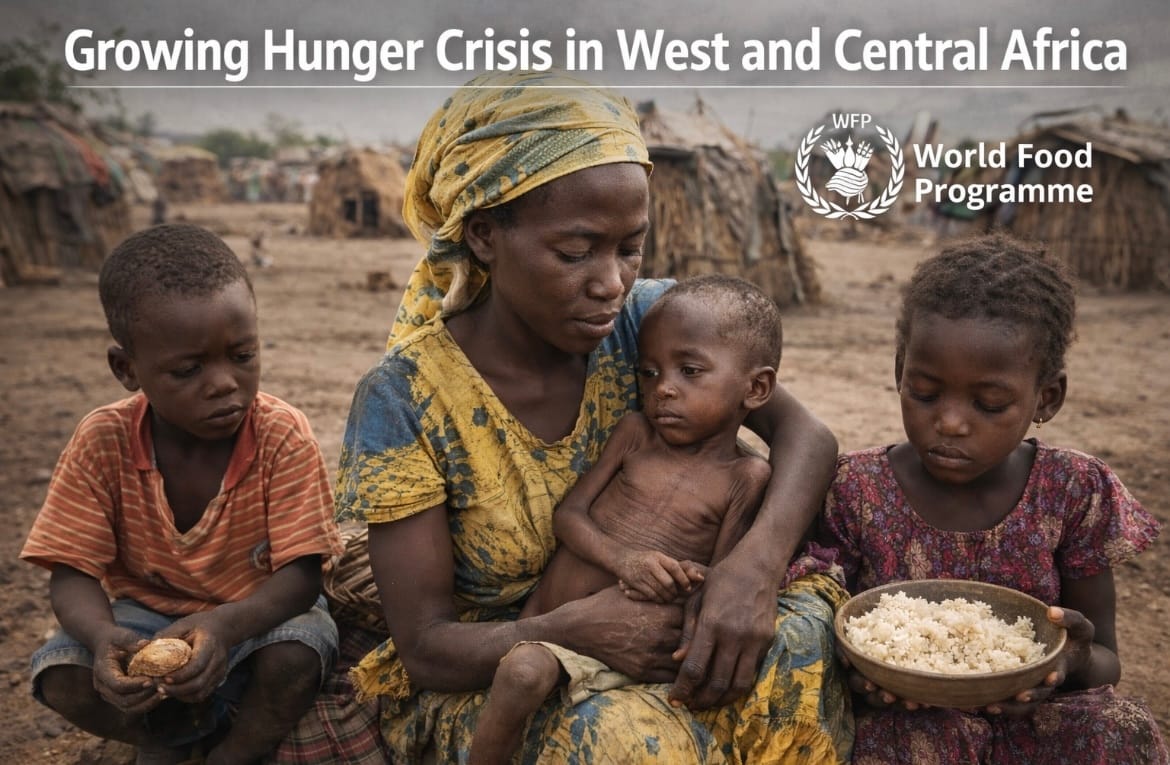
The World Food Programme (WFP) has warned that the hunger crisis in West and Central Africa is becoming more serious. According to their reports, the number of people who may face extreme hunger and malnutrition could rise even further in 2026. This doesn’t just mean “being hungry” for a day — it can mean living for weeks or months without enough food, or eating meals that fill the stomach but don’t give the body what it truly needs to stay strong.
For example, a family might survive mostly on rice or bread because it’s the only affordable option, while children miss out on important nutrients like protein, iron, and vitamins. Over time, this can lead to weight loss, low energy, weakened immunity, and serious health risks, especially for young kids and pregnant women. The WFP is urging more support and faster action, because without help, many communities could be pushed into an even deeper crisis.
What New Research Says About Intermittent Fasting
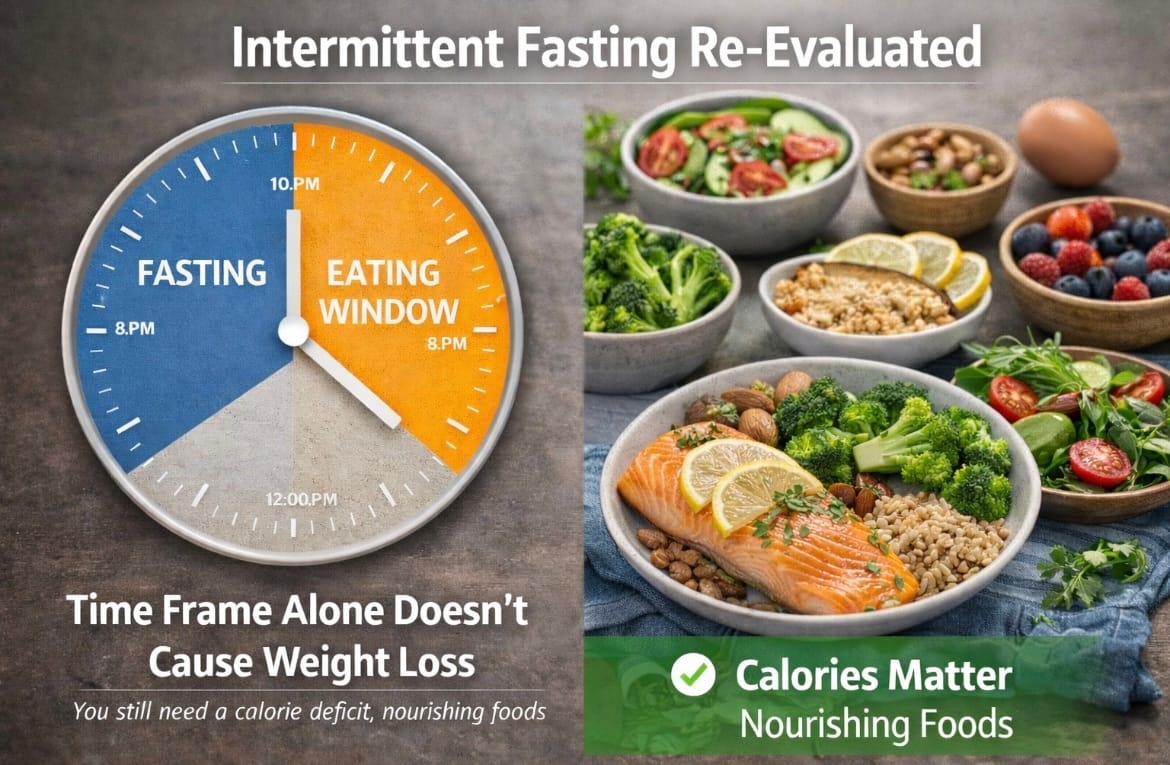
Intermittent fasting, also called time-restricted eating, has been re-evaluated in a new analysis. The main message is actually very simple: the eating window alone is not magic. If someone eats only within a shorter time frame (for example, between 12:00 and 8:00 PM), but still eats the same amount of calories, the body does not automatically lose weight or suddenly speed up metabolism.
That’s why many experts now explain it like this: people often lose weight with intermittent fasting not because of the fasting hours, but because the shorter eating window makes it easier to naturally eat less. When you have fewer hours to snack, you usually have fewer meals, fewer late-night bites, and less mindless eating.
So intermittent fasting can still be a helpful tool — especially for people who love structure and want a simple rule to follow. But it works best when it helps you create a gentle calorie deficit and when you still choose nourishing foods inside your eating window. In the end, the real “secret” is not only when you eat, but also how much and what you eat.
Reminder: Even Small Weight Loss Can Bring Big Health Benefits
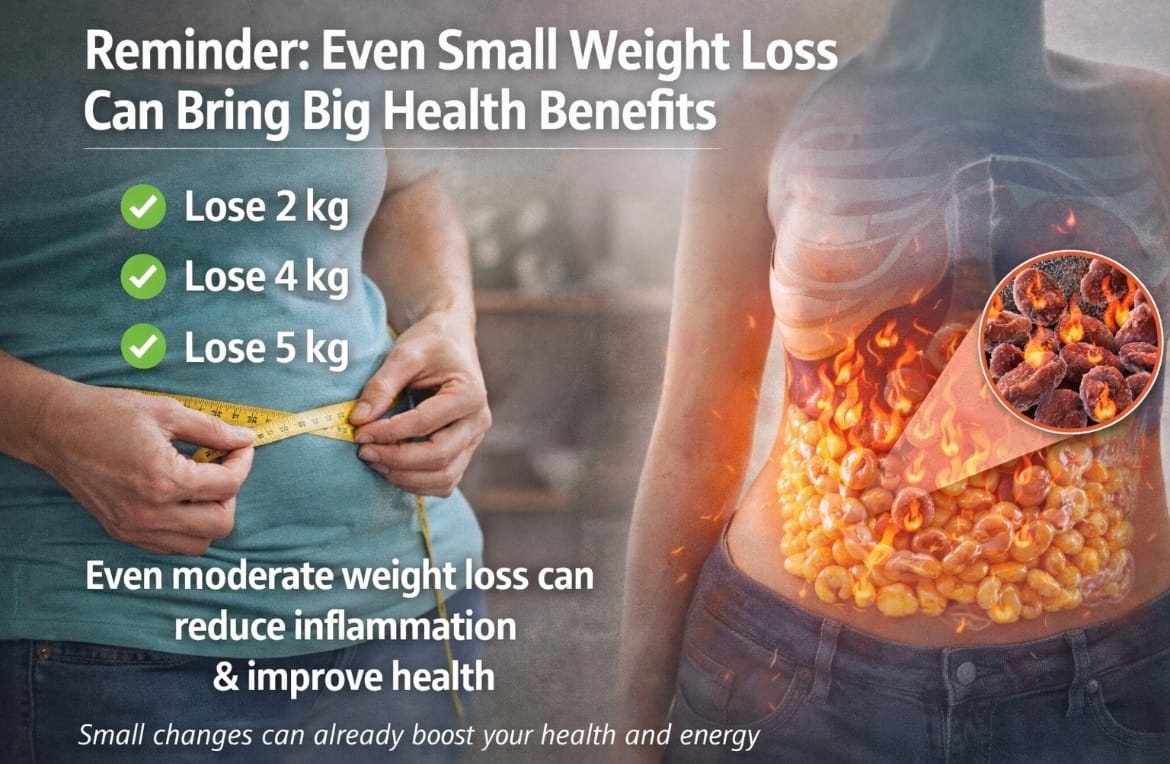
A lot of people believe that weight loss only “counts” if they lose a huge amount of weight. But a new article, based on recent research, reminds us of something really important: even losing just a few kilos can already improve your health in a big way.
The study explained that when we carry extra body fat — especially around the belly — the fat tissue doesn’t just sit there quietly. It can act like an “active organ” and create inflammation inside the body. This low-level inflammation can make it harder to feel energetic, harder to lose weight, and it can increase the risk of health problems over time.
The good news is that the research showed that even a small amount of weight loss can help reduce this inflammation in fat tissue. That means your body can already start functioning better, even if you haven’t reached your “goal weight” yet.
So if you lose 2 kg, 4 kg, or 5 kg, that is not “too little.” It’s progress. Your body is already benefiting. And sometimes, those first small changes are exactly what helps you build momentum, feel healthier, and stay consistent long-term.
Why Strength and Fitness Can Start Declining After 35 and What You Can Do About It
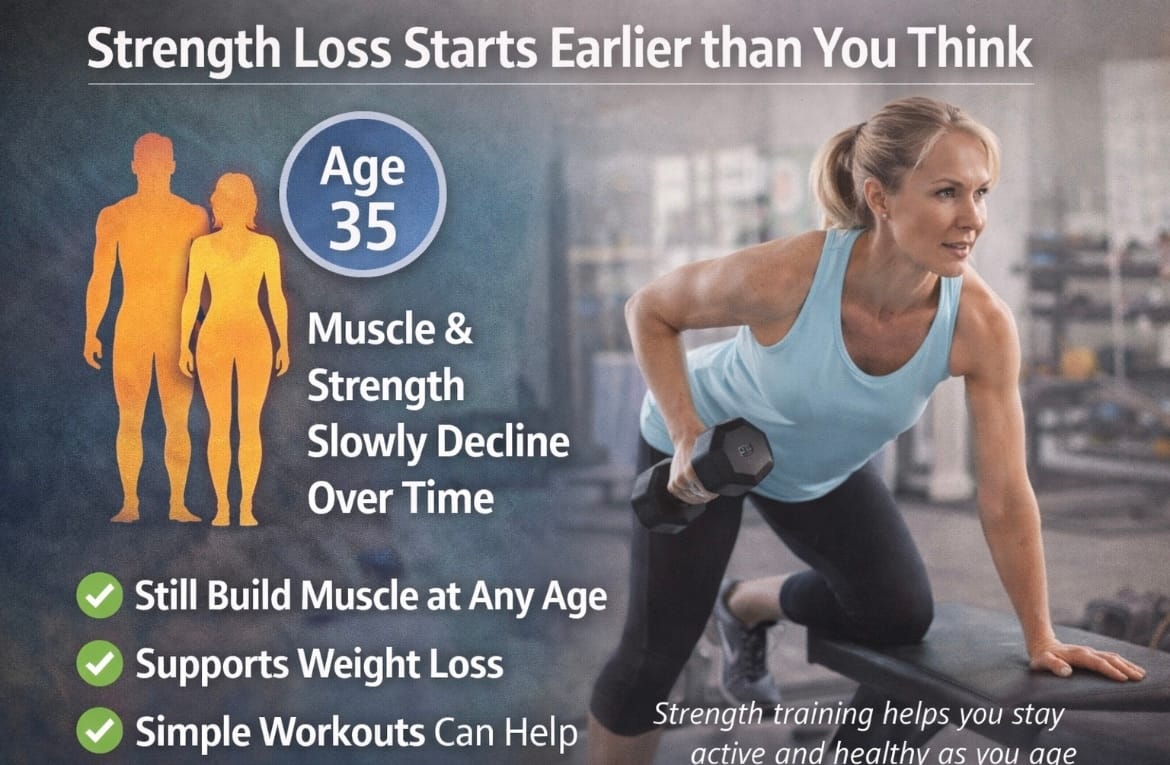
Many people think strength loss only starts “when you’re old,” but the truth is: fitness and muscle strength can begin to slowly decline earlier than most people expect. New data suggests that around the age of 35, the body may start losing small amounts of muscle and strength over time — especially if you’re not doing regular resistance training.
But here’s the good news: this decline is not permanent and not hopeless. Your body can still build muscle at any age. Even in your 40s, 50s, or 60s, strength training can help you get stronger, feel more stable, and support your health in a big way. It doesn’t have to be extreme — even a few simple workouts per week can make a real difference.
And this is especially important if your goal is healthy weight loss. Muscle is like your body’s “engine.” The more muscle you have, the easier it becomes to burn energy, stay active, and keep weight off long-term. That’s why many women notice that losing weight feels harder as they get older — it’s often not about willpower, but about slowly losing muscle without realizing it. Building strength again can change everything (Learn more).
Join the 21-Day Smoothie Reset that’s already helped thousands of women feel lighter, more energized, and back on track (No worries — this isn’t an “only smoothies all day” plan.) — click here to start your reset today.
Stay healthy and enjoy your life