- Curetify
- Posts
- Last Week in Health: Breakthrough Health Insights That Are Transforming How We Think About Our Bodies and Our Future
Last Week in Health: Breakthrough Health Insights That Are Transforming How We Think About Our Bodies and Our Future
How Brain Fat Gut And Lifestyle Secrets Are Quietly Rewriting The Rules Of Long Term Health

Marcel Gärtner
December 08, 2025
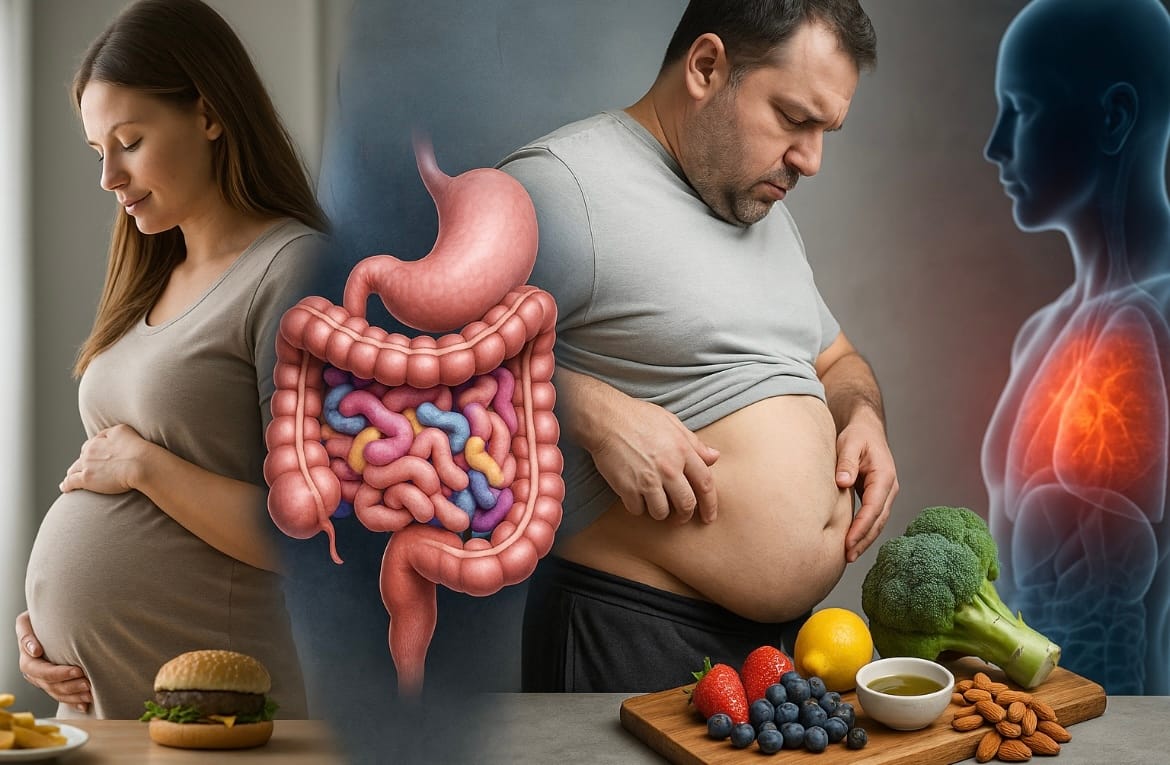
This week brought several discoveries that touch on very different parts of our health. Researchers looked at how belly fat and muscle can affect the brain. Others explored how a mother’s food environment may shape a child’s future weight. There were also updates on dietary guidelines, new insights into how powerful the gut really is, and fresh evidence on how lifestyle choices influence hidden inflammation as we age.
All of these findings point in one direction: our daily habits shape us more deeply than we think….
1.Can less belly fat and more muscle really keep your brain younger?
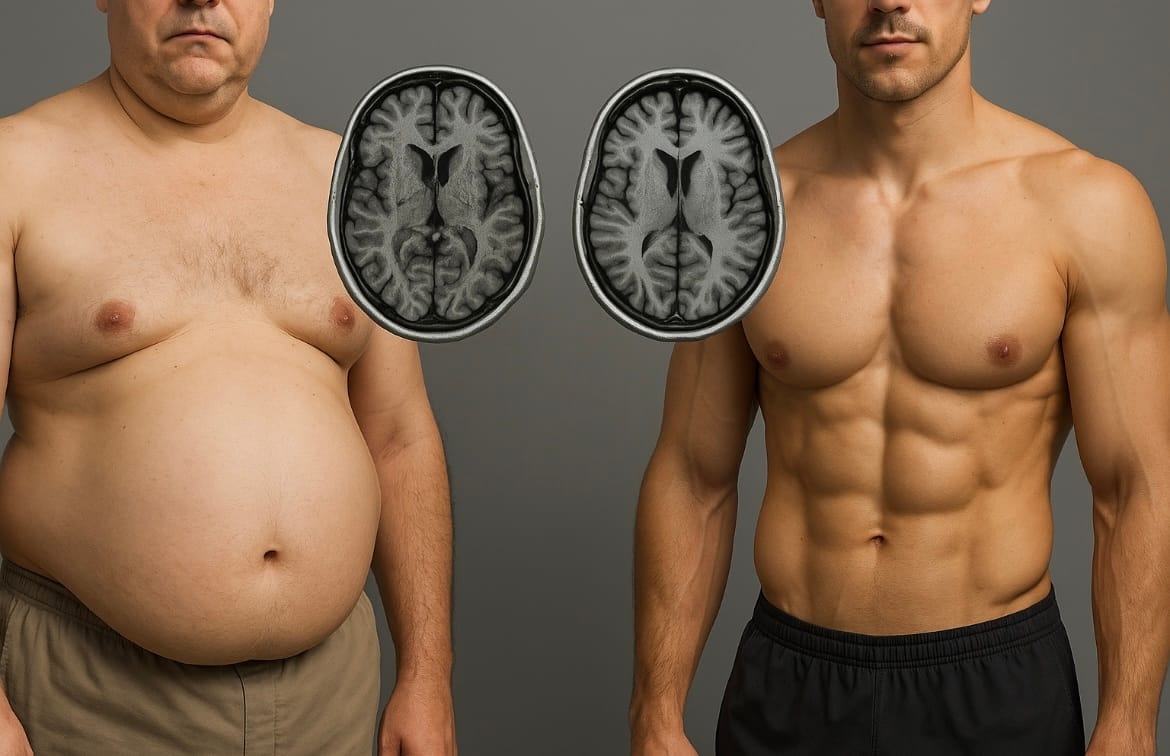
A new study shows that what really matters for your brain isn’t your weight or BMI, but how your body is built on the inside. Researchers discovered that people with a lot of visceral belly fat — the deep fat that sits around the organs — tended to have brains that looked older on MRI scans than their actual age. Meanwhile, those with more muscle mass showed signs of having younger and healthier brains.
The idea is simple: visceral fat is active tissue that promotes inflammation, and over time this can speed up the brain’s biological aging and raise the risk of neurodegenerative diseases. Muscle, on the other hand, supports metabolism, improves circulation, and seems to protect the brain.
So the message is clear and very down-to-earth: it’s not just about losing weight. It’s about reducing deep belly fat and building muscle, because your body composition — not the scale — plays a key role in keeping your brain stronger, younger, and healthier (All you need to know).
2.How a Mother’s Food Environment Can Shape a Child’s Future Weight

New research suggests that a baby’s relationship with food may begin long before their first bite. Scientists have found that simply being exposed to the smell of high-fat or junk-food during pregnancy and breastfeeding can influence how a child’s brain responds to food later in life. Even when the mother herself eats a healthy diet, these aromas can reach the fetus and newborn, subtly shaping the developing brain systems that control hunger, reward, and metabolism.
In the study, offspring of mothers who were regularly exposed to rich, fatty food smells showed stronger cravings for high-fat foods as they grew up and gained more weight more easily. This early sensory imprinting appears to “tune” the brain toward preferring calorie-dense foods and increases long-term metabolic risk.
While one scent of fries won’t harm a baby, the findings highlight something powerful: children’s future health is influenced very early, and the environment around a pregnant person — not just what they eat, but what they’re regularly exposed to — can leave a lasting mark. It’s a reminder of how important healthy habits and surroundings already are during pregnancy and in the first months of life.
3.New Dietary Guidelines Move Away From Calories and Toward Food Quality
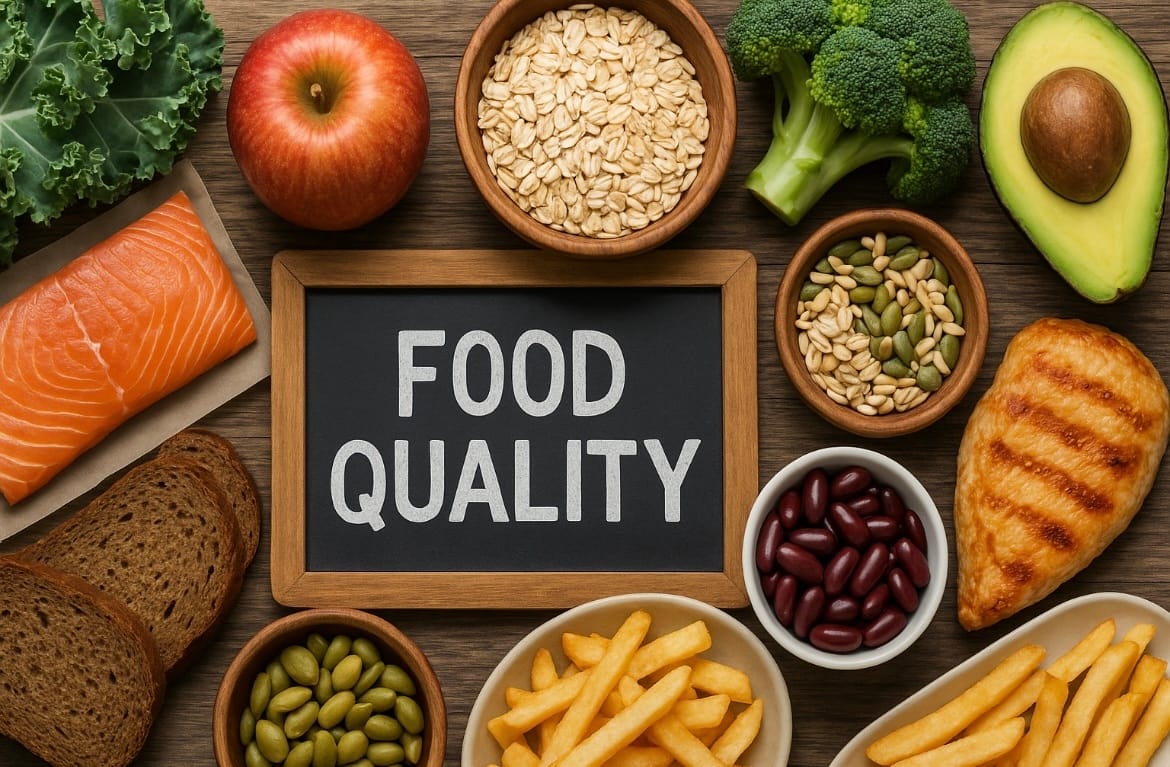
There’s currently a global debate around updated dietary guidelines — especially in the United States, where the revised Dietary Guidelines have been pushed back to early 2026, according to Reuters. Expectations are shifting toward recommendations that place stronger emphasis on reducing saturated fats and ultra-processed foods, rather than focusing solely on calories or macronutrient ratios.
This development reflects a broader shift in nutrition science: moving away from simplistic number-based approaches and toward a deeper understanding of food quality, fat types, and the overall level of processing. It highlights how modern guidelines are increasingly shaped by up-to-date research about what truly supports long-term health (Read more).
4.How Much Power Does Your Gut Really Have Over Your Health?
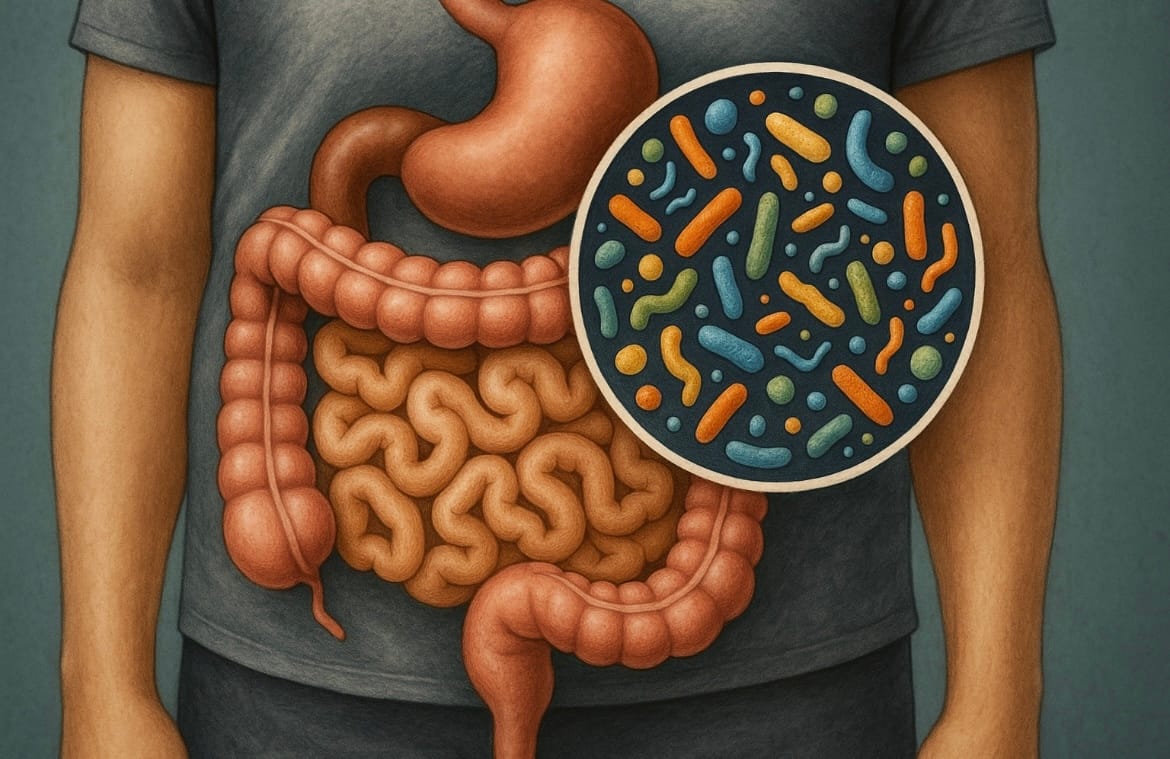
What makes this especially significant is how profoundly the gut microbiome shapes our overall health. The trillions of bacteria living in the gut don’t just break down food — they influence how nutrients are absorbed, how the body manages energy, and whether subtle, chronic inflammation begins to build up.
This type of silent inflammation is far from harmless. Over time, it can contribute to weight gain, disturb blood-sugar control, and increase the risk of developing type-2 diabetes. In more severe cases, an unhealthy or imbalanced microbiome can even affect the integrity of the gut lining, raising the likelihood of colorectal cancer.
Put simply, a well-nourished and diverse gut microbiome helps the body regulate metabolism, maintain a stable immune system, and protect itself from long-term damage. Caring for your gut isn’t just about digestion — it is a cornerstone of lasting metabolic and overall health (Learn more).
5.How Lifestyle Choices Shape Hidden Inflammation as We Grow Older

New research is showing that chronic “silent” inflammation — the kind that often increases as we get older and contributes to many health issues — isn’t just something that happens because of age. It’s strongly shaped by how we live our lives. What we eat, how active we are, how well we sleep, how we deal with stress, and even the air we breathe can either calm or fuel this hidden inflammation.
For example, regularly eating whole foods like vegetables, berries, nuts, and olive oil can help reduce inflammation, while a diet high in processed foods and sugar can make it worse. This means inflammation isn’t an inevitable part of aging — we actually have a lot of control over it through daily choices.
“Have a good start to the week and feel free to write about topics that would interest you in the future. See you on Wednesday😊”
Stay healthy and enjoy your life