- Curetify
- Posts
- Last Week in Health: Food Systems Are Failing Us And Our Health Is Paying The Price
Last Week in Health: Food Systems Are Failing Us And Our Health Is Paying The Price
Food politics, corporate choices and broken safety nets — not your willpower

Marcel Gärtner
October 06, 2025
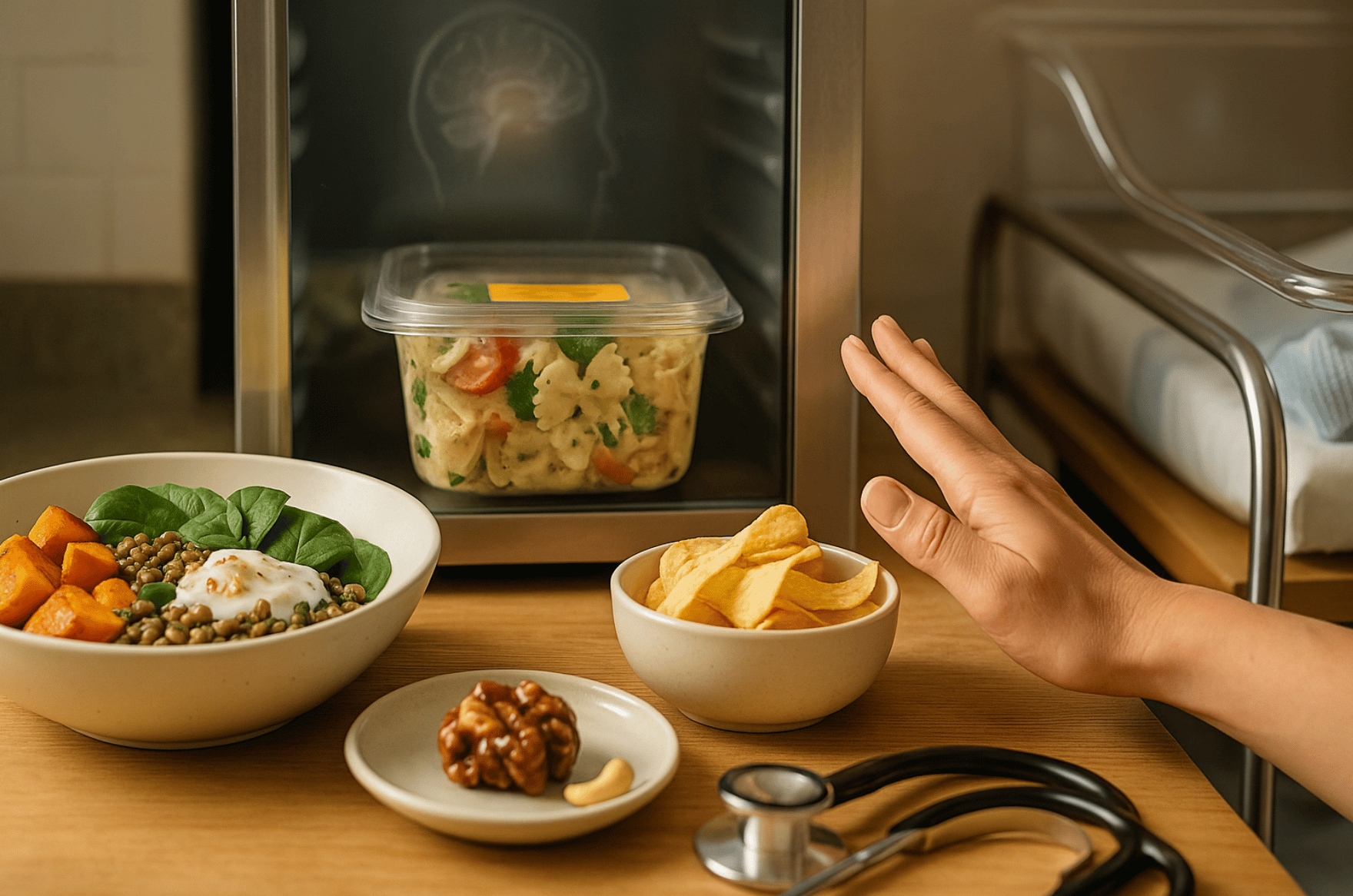
This week has five health stories that matter.
Some affect your grocery bag. Some could change hospitals.
One might even make dieting feel easier.
The one that shocked me most could change how you think about hunger…
1.More Plants, Less Preaching: A Smarter Food Fix
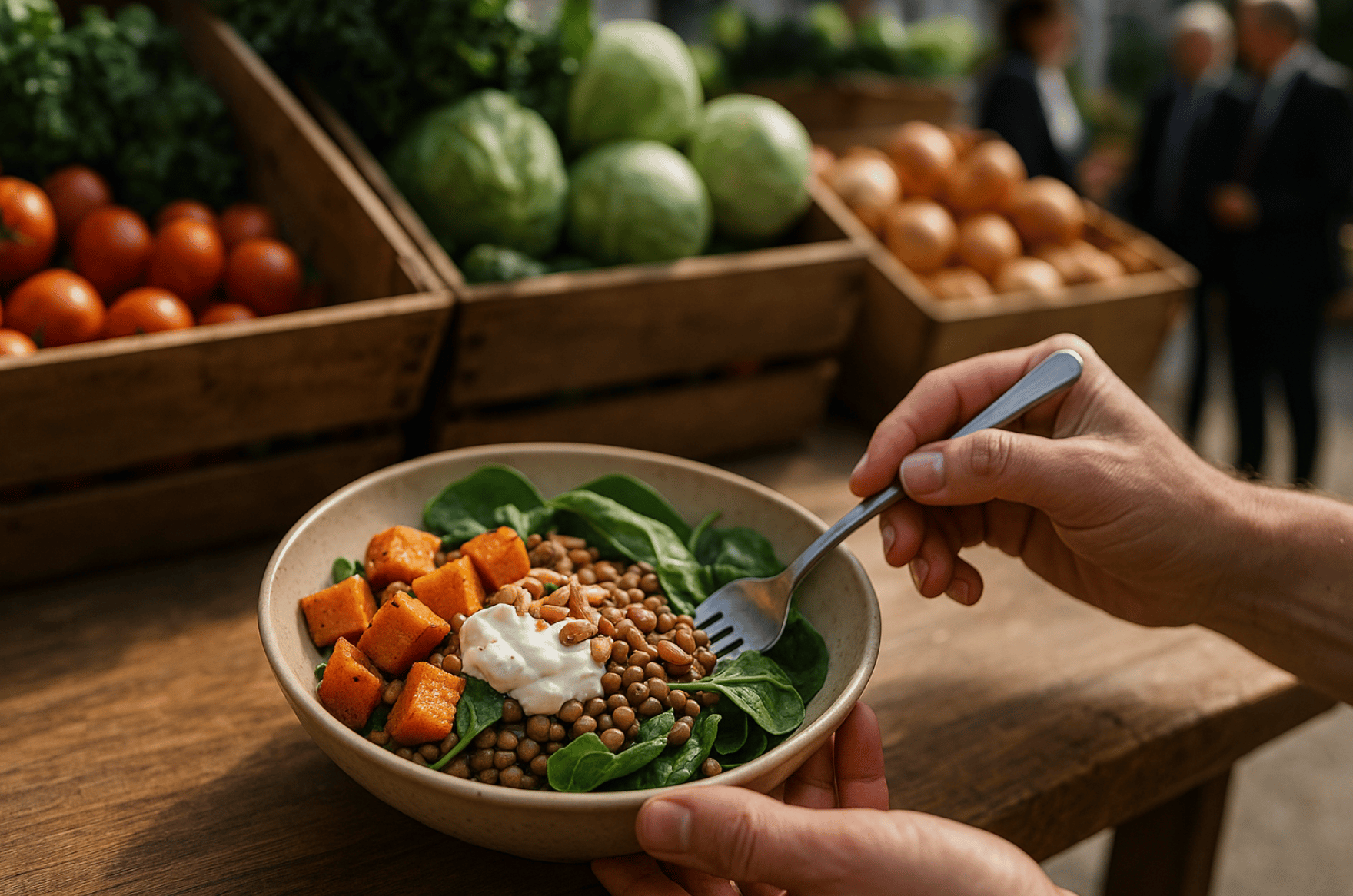
A new report says the same simple thing: more plants, fewer processed foods and less red meat would be better for people and the planet. That’s exciting — but it’s not just about your choices at dinner. For this to actually work, governments, farmers and food companies must change what they grow, subsidize and sell; otherwise the advice stays a nice idea, not a reality for everyone.
You can start small and tasty: try two meat-free days a week, swap chips for a handful of nuts and an apple, or trade white rice for brown rice or sweet potato. A quick win: roast sweet potato cubes, toss with lentils, baby spinach, a dollop of yogurt and toasted nuts — 20 minutes, full of flavor.
Still, remember that people’s pockets, local food supply and culture matter — telling someone to “just eat better” ignores those barriers. Do the swaps you can, push for policy changes where you vote and shop, and you’ll be helping both your health and the wider world — without turning dinner into a lecture (learn more).
2.Don’t Eat That Pasta Salad — Kroger Pulls Products Over Possible Listeria
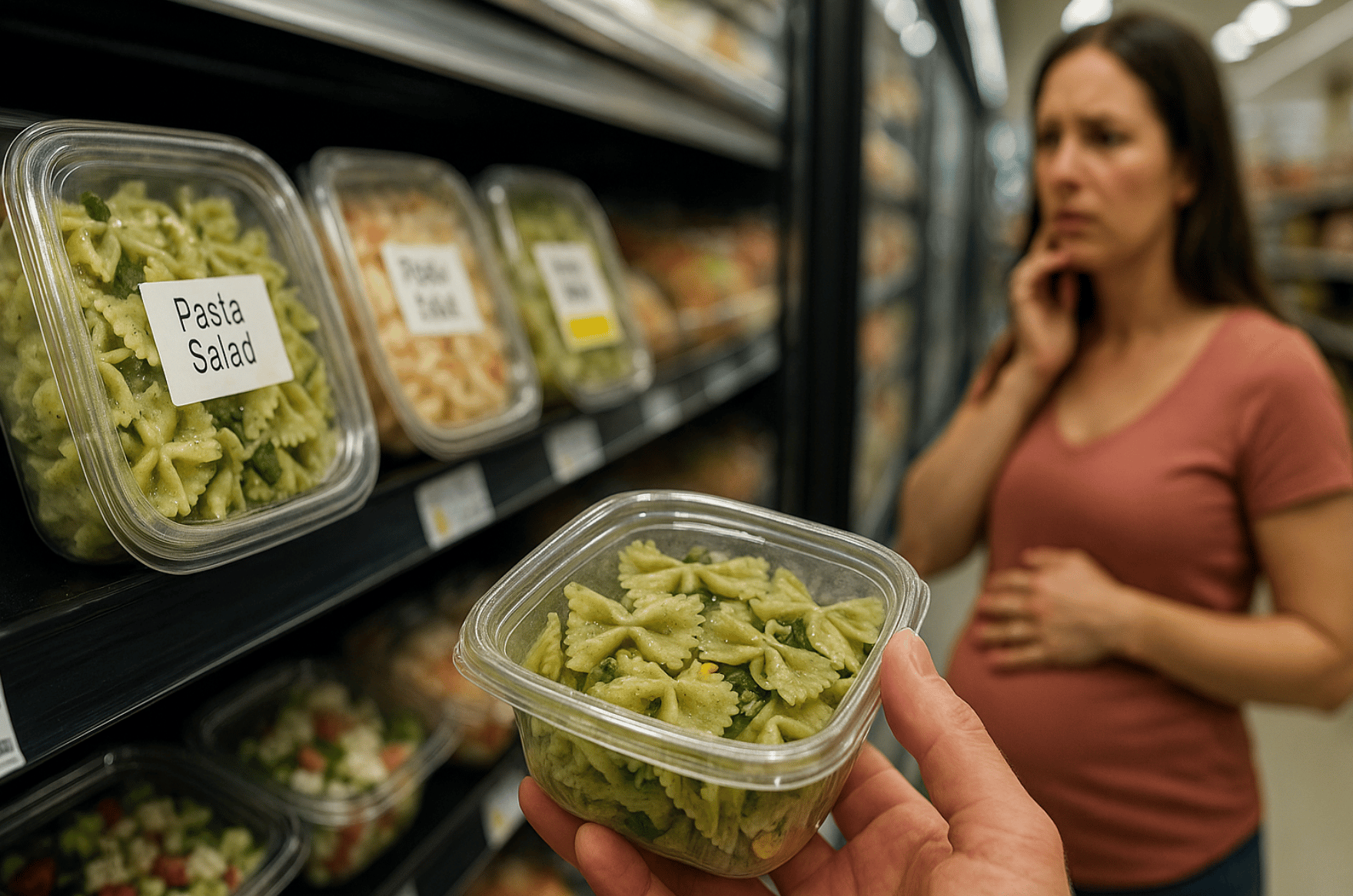
Kroger has just recalled several ready-made pasta salads (think Basil Pesto Bowtie and Smoked Mozzarella Penne) after a supplier warned that one ingredient might be contaminated with Listeria monocytogenes. Federal agencies (FDA, CDC) are investigating and the stores pulled the items to be safe. So far, officials say there are no confirmed illnesses, but recalls are meant to stop problems before they start.
Why you should care: Listeria can cause mild flu-like symptoms in healthy people, but it’s dangerous for certain groups — especially pregnant people (risk to the baby), older adults, and anyone with a weakened immune system. Even a small amount in a chilled, ready-to-eat product can be risky for them (Must read).
3.Could we flip your “hunger switch”?

Scientists have found a protein called MRAP2 that acts like a tiny switch in the brain — flip it, and the drive to eat turns down. In lab and animal studies, boosting MRAP2 made animals eat less because their urge to snack simply felt smaller, not because they were forced.
Imagine sitting on the couch at night and suddenly not feeling the usual pull for chips or ice cream — that’s the kind of effect researchers are exploring.
Why this matters: uncontrolled cravings are a big reason people struggle to lose weight. A treatment that gently lowers appetite could make dieting a lot easier for some people, especially those who feel hungry all the time despite trying to eat better (What that means).
4.Dangerous Label Error: Candy Recalled After Undeclared Cashews Found
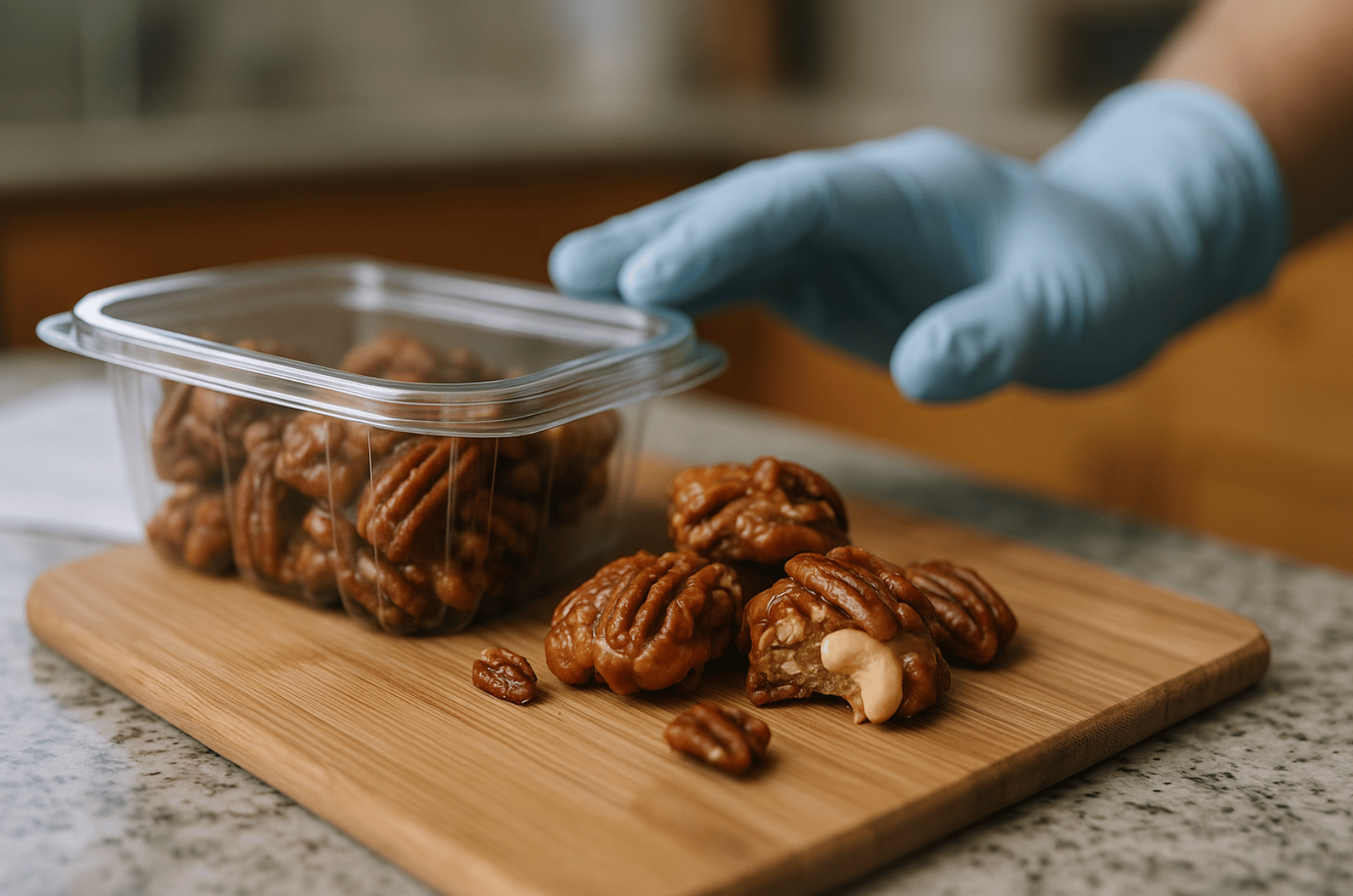
A candy maker called Abdallah Candies has recalled certain batches of its Pecan Caramel Clusters because cashews — a tree nut not listed on the label — were found in the product; the recall was issued with the FDA and affects only specific lot numbers and stores. This matters because even tiny amounts of undeclared nuts can trigger life-threatening allergic reactions in sensitive people, so a missing ingredient isn’t a small mistake. If you bought these candies, check the package’s lot number and best-by date against the recall notice on the retailer or FDA website, don’t eat any product that’s listed, and either return it for a refund or throw it away; also wash any surfaces or utensils that touched the candy to avoid cross-contamination. If someone with a known nut allergy ate the candy and shows symptoms (hives, throat tightness, breathing trouble, dizziness), use an epinephrine auto-injector if available and call emergency services immediately (Read more).
5.Why Are Mothers Still Dying? WHO’s Practical Fix for Postpartum Bleeding
The WHO just published a short, evidence-based playbook to prevent and treat heavy bleeding after birth — the kind of clear steps that actually save lives: give proven medicines right after delivery, check mothers often in the first hour, and act fast with fluids, blood or surgery when bleeding won’t stop. This matters because many deaths from postpartum haemorrhage are avoidable with simple measures. If you’re pregnant or supporting someone: ask the birthing unit, “Do you follow the latest WHO PPH guidance and have emergency meds/blood available?” — and (if care is limited where you are) make a transport plan to a better-equipped clinic (Read more).
“Have a great week see you on Wednesday😊”
Stay healthy and enjoy your life