- Curetify
- Posts
- Last Week in Health: How many people will get hurt before companies stop putting metal in our snacks?(Check your food)
Last Week in Health: How many people will get hurt before companies stop putting metal in our snacks?(Check your food)
Hidden risks exposed and simple fixes you can act on today

Marcel Gärtner
September 22, 2025

This week delivered a mix of shocks and solutions in food and health — some stories show how our snacks and school meals can suddenly put people at risk, others show how simple foods can protect your liver, gut and brain.
From recalled protein balls with metal fragments to school lunches that made kids sick and new research proving that more plants and fiber help your metabolism and brain, these headlines matter for anyone who eats.
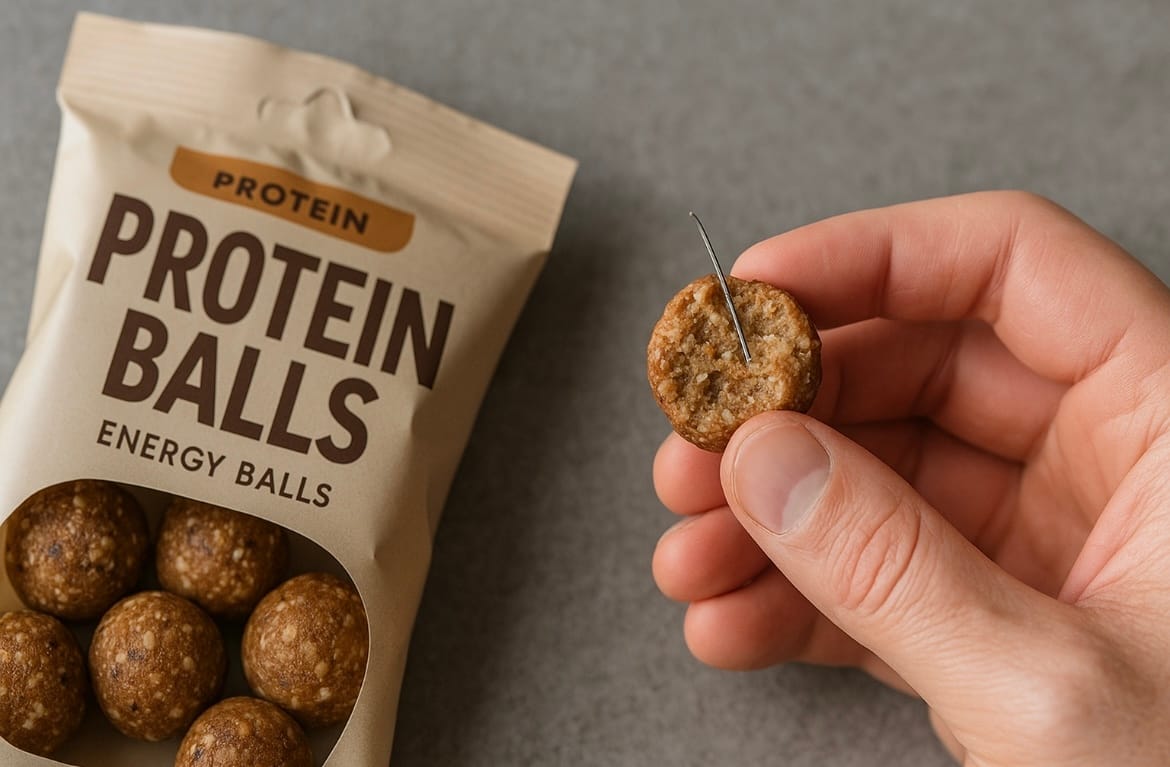
1.How many people need to get hurt before makers stop putting metal in our snacks?
several popular protein snack balls were recalled after thin metal filaments were found inside packages. Brands named in store notices include Smooshed and Made Real and retailers have pulled affected lots from shelves. If you bought these snacks check the UPC and lot code on the package right away and follow the recall instructions — do not eat them. Throw the product away or return it to the store for a refund and keep the packaging or receipt in case authorities need it for inspection. If anyone bit into one and cut their mouth swallowed metal or feels unwell seek medical help and tell the doctor you may have ingested a foreign object. Report the problem to your retailer and your local food safety authority so investigators can track the source and prevent more contaminated batches. This is a reminder that metal detection and quality checks in factories matter — share the recall with family and friends so nobody else gets hurt.
2.How many children must get sick before school lunches are safe?
Indonesia’s nationwide free-school-meal programme hit a serious snag when hundreds of children in multiple provinces fell ill after eating government lunches. In a few clusters dozens to hundreds of pupils were sickened, many with vomiting and diarrhea, and some needed hospital care. Investigators think this was likely due to basic food-safety breakdowns — contaminated ingredients, poor temperature control, or cross-contamination in large-scale kitchens — where one mistake can ruin hundreds of meals. NGOs and child-health groups are now demanding immediate kitchen inspections staff training and stronger supplier checks so the programme can keep feeding kids safely.
Why it matters: this scheme feeds millions and any lapse hits the most vulnerable children first and quickly destroys public trust (Read more).

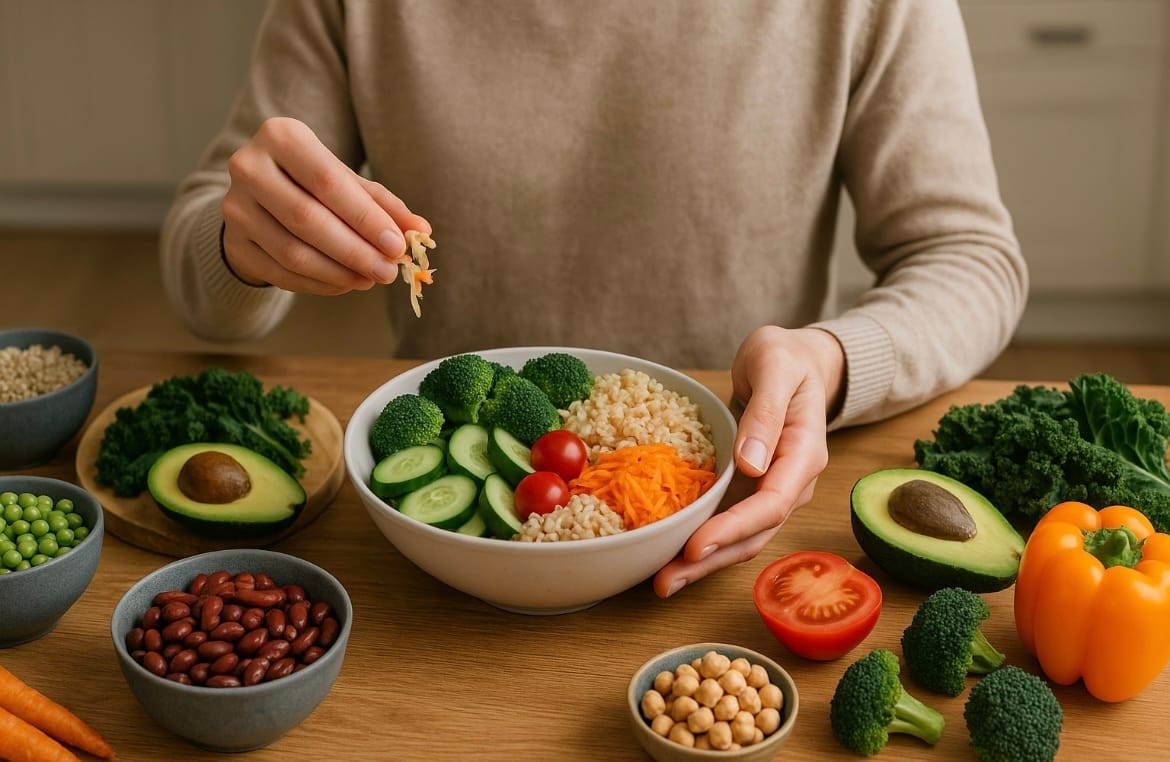
3.Grow Your Gut’s Strength with More Plants
Recent microbiome research shows that eating a wider variety of plants reliably improves your gut bacteria which then helps digestion steadier blood sugar and fewer energy crashes. A diverse gut makes more short-chain fatty acids that feed your gut lining reduce inflammation and support metabolism. Practically this means add different vegetables fruits legumes whole grains herbs nuts and a little fermented food across the week — aim for small swaps not perfection. Over a few weeks you should notice less bloating more even energy and easier digestion (Learn more).
4.The Green Mediterranean Diet That Slows Brain Aging
New research shows that a greener Mediterranean diet — more leafy vegetables, green tea and nutrient-rich Mankai (a duckweed-like plant) — is linked with lower levels of blood proteins tied to faster brain aging. In simple terms: eating more greens seems to protect your brain by cutting inflammation, lowering oxidative stress and improving blood sugar and blood flow. That helps neurons stay healthier and may slow down memory loss and thinking decline (How does it work).
It’s easy to try: add an extra handful of leafy greens a day, swap one drink for green tea, or toss some frozen spinach or Mankai into your smoothie. Small daily changes like these stack up and can help keep your brain younger for longer.
5.A fiber-trained gut can actually clear liver fat — and here’s what that means
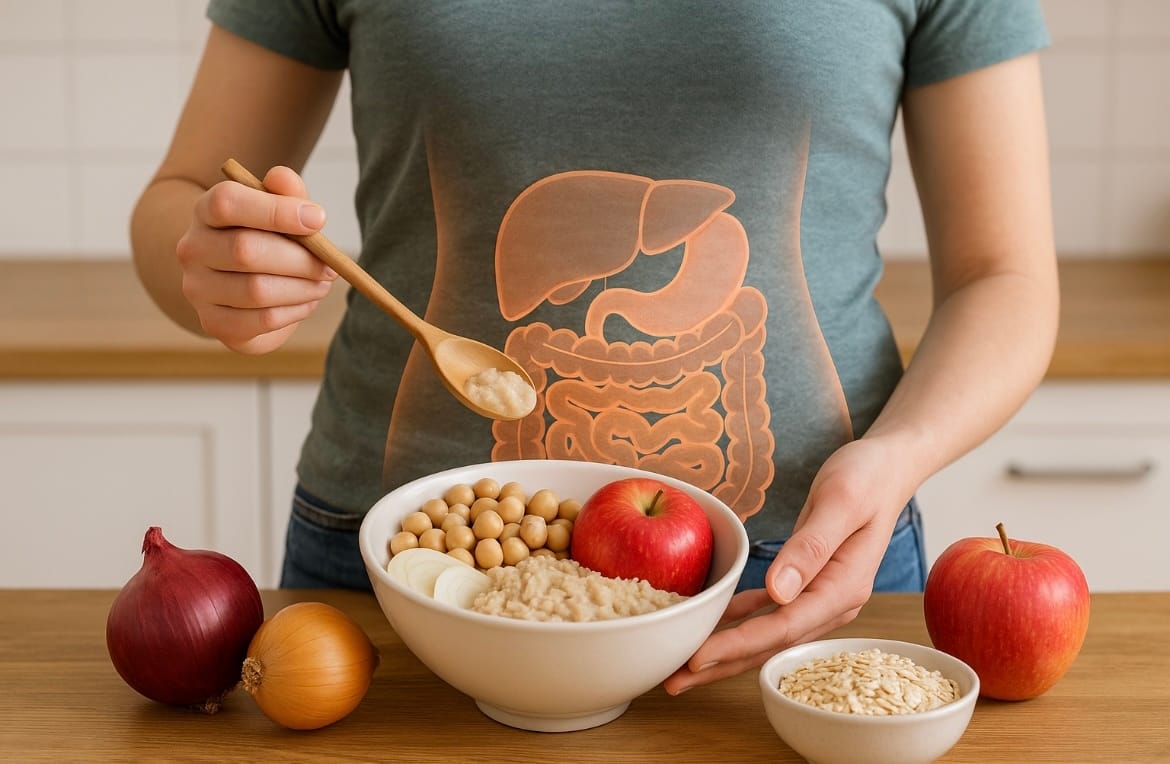
Researchers found in mice that a gut microbiome trained by fermentable fiber (like inulin) can break down extra sugar (fructose) before it reaches the liver. As a result the mice had less liver fat, better insulin response, and milder early liver damage. Important: this was a mouse study — human trials are needed to confirm the effect. Practically speaking it suggests a useful approach for people: eat more fermentable fiber (beans, oats, onions, apples, chicory/Jerusalem artichoke), cut back on sugary drinks and added sugars, and focus on prebiotic foods that feed helpful bacteria rather than relying only on probiotic pills (learn more).
“Got a topic you want me to tackle next? Share it in the comments below :D”
Stay healthy and enjoy your life