- Curetify
- Posts
- Last Week in Health: "If we can feed everyone why are millions hungry?"
Last Week in Health: "If we can feed everyone why are millions hungry?"
From a looming SNAP cutoff to climate-hit harvests: this week’s food outlook and why reform can’t wait

Marcel Gärtner
October 20, 2025
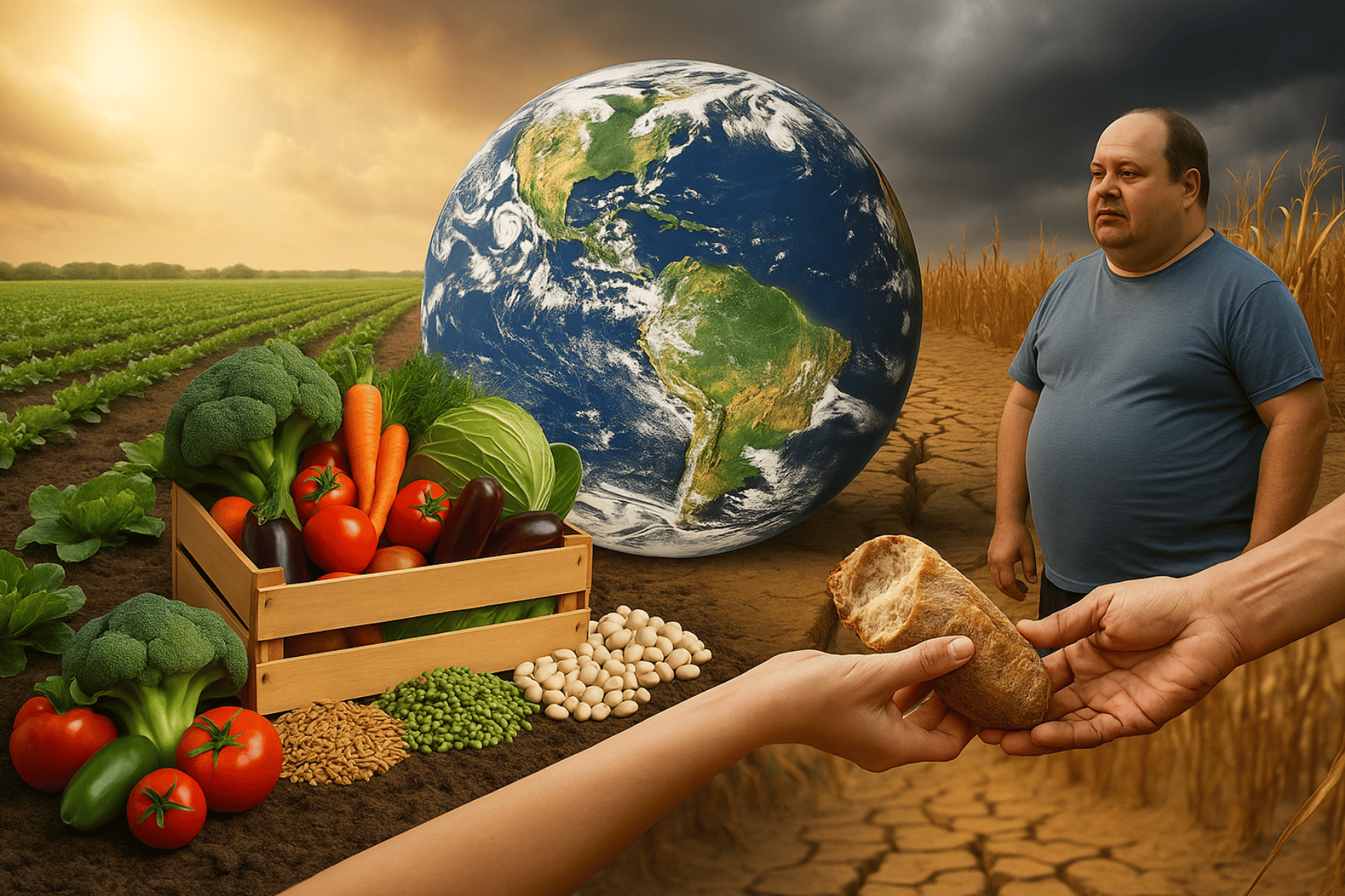
“Last week was one of the most eventful weeks the world has seen in food and nutrition in a long time. From Washington to the world’s farmlands, major shifts are happening — some hopeful, others deeply worrying. In the U.S., millions of families could soon lose the food support that keeps their kitchen shelves from going empty, as political gridlock threatens to cut off a vital safety net. At the same time, scientists are warning that the planet’s changing climate is already crippling harvests of wheat, corn, and rice — the very crops that feed billions.
And while aid organizations scramble to fill empty plates, global experts are calling for a complete rethink of how food is grown, shared, and valued. The question now isn’t just how we eat — it’s whether the world’s food systems can still feed us at all…”
1.Millions of Americans could lose food assistance next month

More than 42 million Americans may lose their food benefits in November if Congress fails to approve a new budget. The Supplemental Nutrition Assistance Program (SNAP) — the main federal program that helps low-income families buy groceries — could run out of funding because of the ongoing government shutdown.
For many families, SNAP is the difference between having meals on the table or going hungry. If the program stops, millions of people could face serious financial trouble and struggle to afford basic food in the coming weeks (Read more).
2.Obesity in the U.S. shows small signs of improvement

A new national report brings a bit of good news: in 2024, fewer U.S. states reported adult obesity rates of 35% or higher — 19 states compared to 23 the year before. Health experts say it’s a small but positive sign that awareness about healthy eating and active living might slowly be making a difference.
Still, they warn that the battle against obesity is far from over. Millions of Americans continue to face challenges such as poor access to affordable healthy food, long working hours, and limited opportunities for exercise. Real progress will take time, steady funding for prevention programs, and continued efforts to make healthy choices easier for everyone (Learn more).
3.Are global food systems facing fundamental reform?
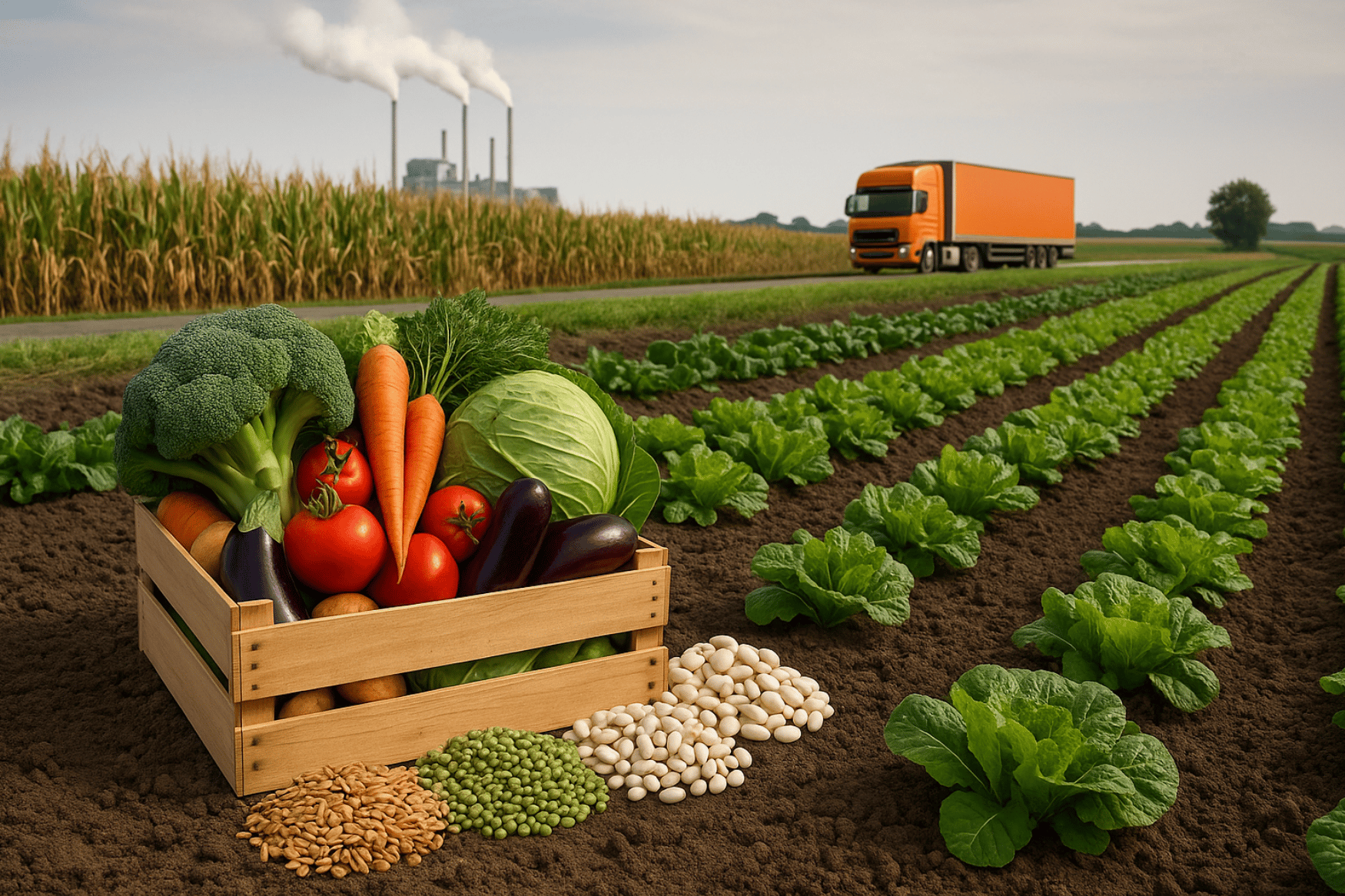
The new EAT-Lancet report reminds us that fixing our diets isn’t enough — we need to fix the entire food system. From the way crops are grown to how food is shipped and sold, everything is linked. Right now, too many people struggle to afford healthy meals, while farming and production often harm the planet.Scientists warn that our current food system already pushes several of Earth’s environmental limits and could be linked to as many as 15 million preventable deaths every year. The report calls for a global shift toward more fruits, vegetables, grains, and plant proteins, and less meat and processed food. It also urges cutting food waste and supporting farmers who protect nature.If governments, companies, and all of us act together, we could build a fairer system — one that feeds everyone well without costing the Earth. 🌍🥦🌱
4.Global hunger is rising as aid funding runs out
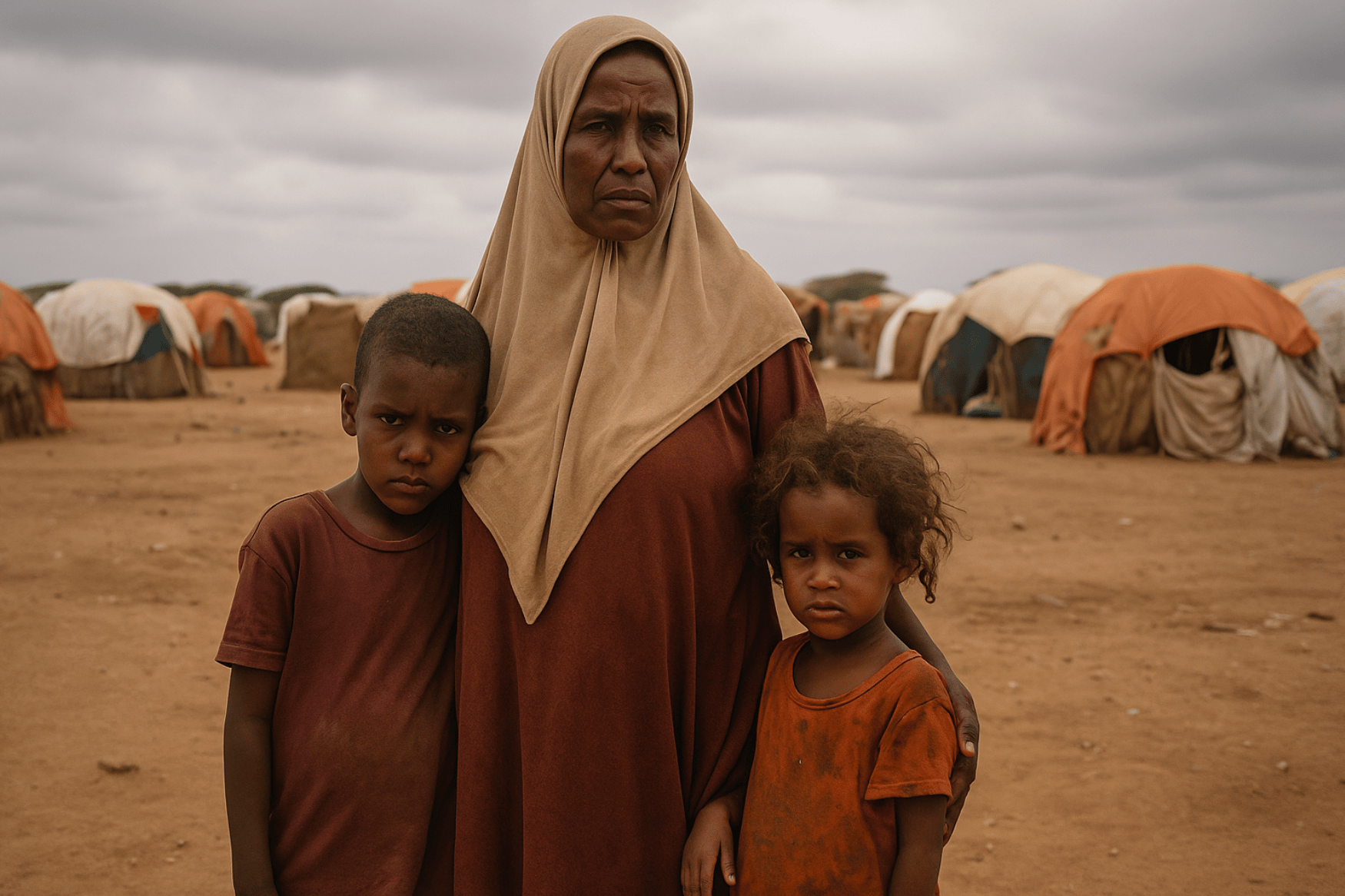
The United Nations World Food Programme (WFP) warns that millions of people in countries like Afghanistan, Sudan, and Somalia may soon face severe hunger. Donations have dropped by about 40% this year, leaving the organization without enough funds to deliver food and support to those in need.
This crisis isn’t caused by a lack of food, but by a lack of money to get it to the right places. As conflicts, high costs, and global instability continue, more families are going hungry — even though the world produces enough to feed everyone.
5.Scientists warn: Climate change is destroying key crops

New data shows that harvests of wheat, corn, and rice are falling sharply in many parts of the world because of extreme heat and long droughts. The regions most affected include Africa, South Asia, and parts of South America.
As the planet keeps getting hotter, growing food becomes harder — and what’s left becomes more expensive. Scientists say that without urgent action to protect crops and support farmers, millions could face food shortages in the near future (What does it mean?).
“Have a good start to the week and feel free to write about topics that would interest you in the future. See you on Wednesday😊”
Stay healthy and enjoy your life