- Curetify
- Posts
- Last week in Health:Is the NHS About to Hit Breaking Point as Doctors Walk Out for Five Days?
Last week in Health:Is the NHS About to Hit Breaking Point as Doctors Walk Out for Five Days?
Delays to surgeries tests and basic care mount as hospitals struggle to cope and patients wonder how much longer the system can hold

Marcel Gärtner
November 17, 2025
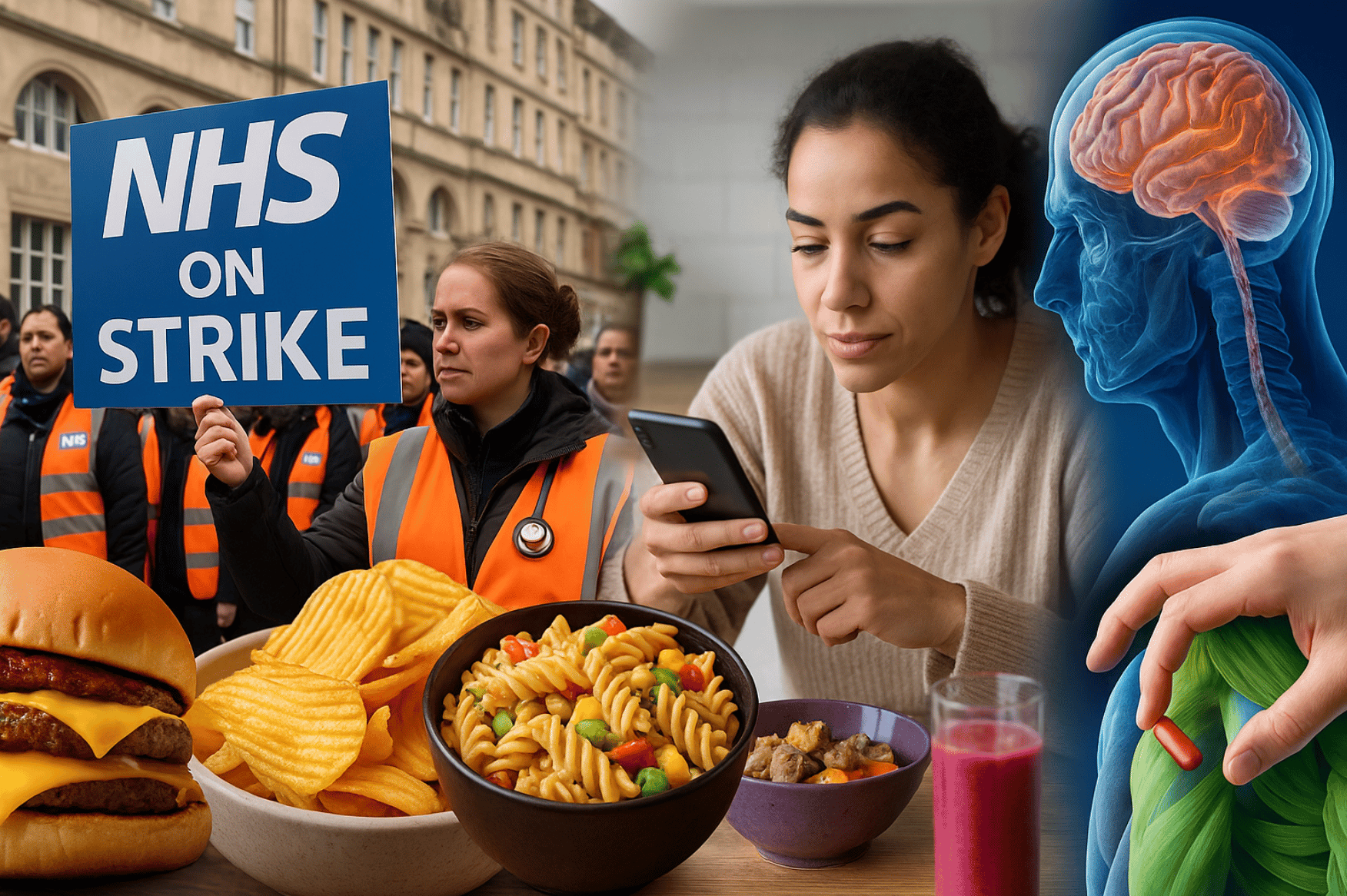
Every week brings a new wave of discoveries, warnings and surprises from the world of health. Scientists uncover patterns we didn’t see before, everyday habits turn out to have hidden effects, and even long-trusted systems face new pressure. Some developments offer hope, others raise questions, and a few may change the way we live far sooner than we expect. What happened this time is more impactful than you might think — and one finding in particular could shift everything….
UK Faces Major Disruptions as Doctors Launch New Five-Day Strike Across the NHS

Doctors across the UK have launched another five-day strike, organized by the NHS Confederation, after long-running disputes over pay and working conditions. The walkout isn’t just affecting staff schedules — it’s having a direct impact on patients as well. During the strike, many planned operations, medical tests, and routine appointments are being postponed or cancelled, putting extra pressure on hospitals that are already struggling with backlogs. Health leaders say they understand the frustration of both patients and doctors, but warn that continued disruptions will make it even harder for the NHS to catch up. The strike highlights how urgent it is for the government and medical workers to reach an agreement that keeps both staff supported and patients safe.
Ultra processed food linked to higher cancer risk in women

A new study has raised concerns about ultra-processed foods and how they may affect women’s health. The research found that women who often eat things like packaged snacks, instant meals or sugary cereals have a higher risk of developing colorectal (bowel) cancer.The reason seems straightforward. These foods contain many additives and unhealthy fats. They also have very little fiber, which is important for a healthy gut. Over time, this mix can upset the digestive system and increase inflammation.The study’s message is simple. You don’t need to avoid these foods completely. It helps to choose more natural and less processed meals more often to support your gut and protect your long-term health.
New AI-Powered App Makes Tracking What You Eat Easier and More Accurate
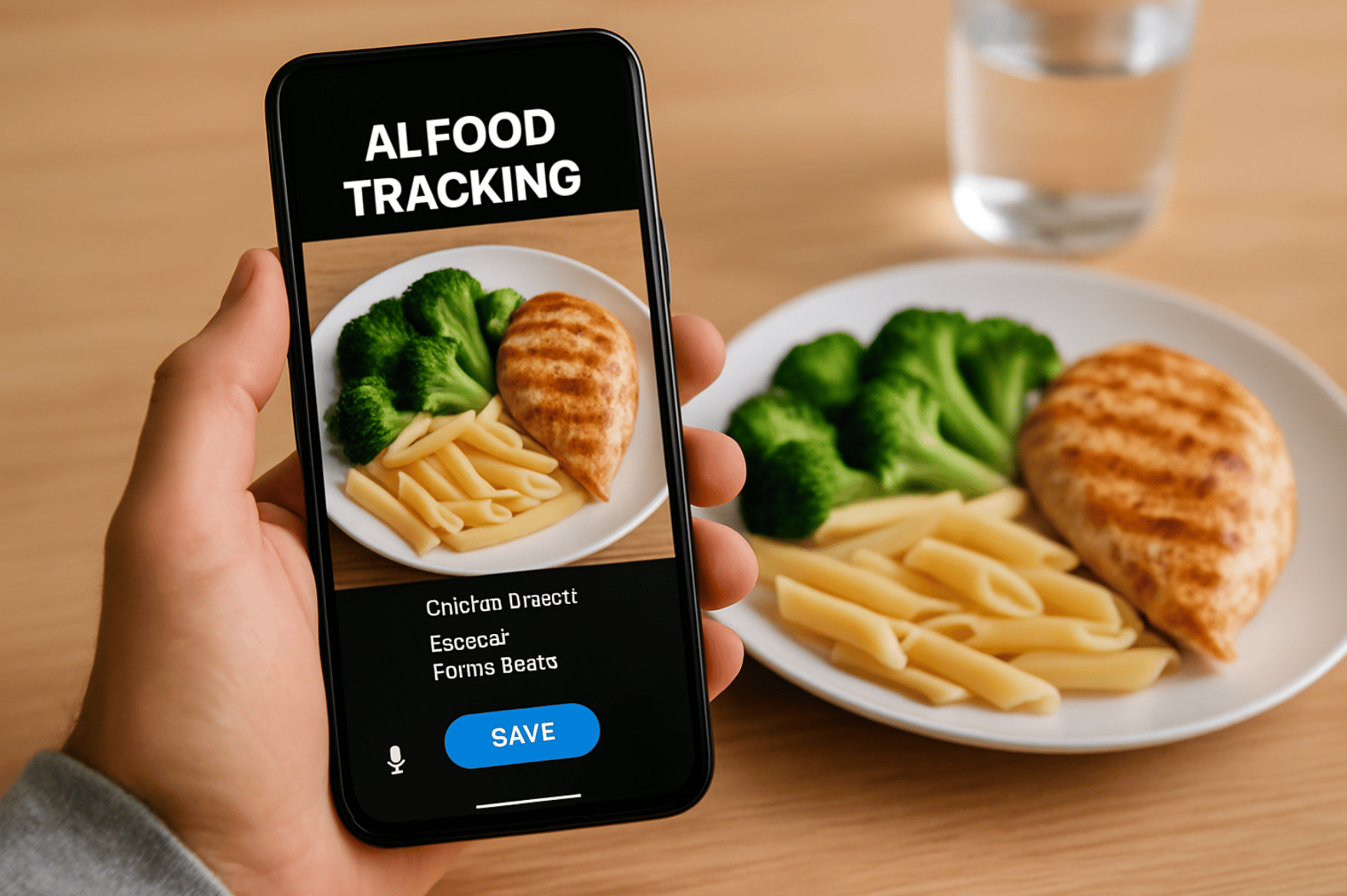
Researchers have introduced a new app that uses AI to make food tracking faster and easier. Instead of typing ingredients you can take a photo or speak into the app and the AI identifies the food and estimates the portion. Over time it learns your eating habits and becomes more accurate. The goal is to help people track their meals without the stress and effort that usually makes them quit. Because the data is clearer the app can also show patterns like sugar intake or how your energy level connects to your diet. The team says privacy is protected and users stay in control of their information. If this works as promised the app could make understanding your eating habits much simpler.
Sleep That Ages Your Brain Faster Than Time
Research shows that poor sleep can make the brain appear biologically older than a person’s real age. When someone sleeps too little, wakes up often or has irregular sleep patterns, brain scans reveal changes linked to memory loss, slower thinking and weakened emotional control. Over many years this “advanced brain age” is associated with a higher risk of cognitive decline and dementia. The encouraging part is that sleep is one of the easiest habits to improve. Keeping a steady sleep schedule, creating a dark and quiet bedroom and aiming for seven to nine hours of rest can help the brain stay healthier and potentially slow age-related changes.
A New “Workout Pill” Idea Begins With a Surprising Anti-Aging Molecule
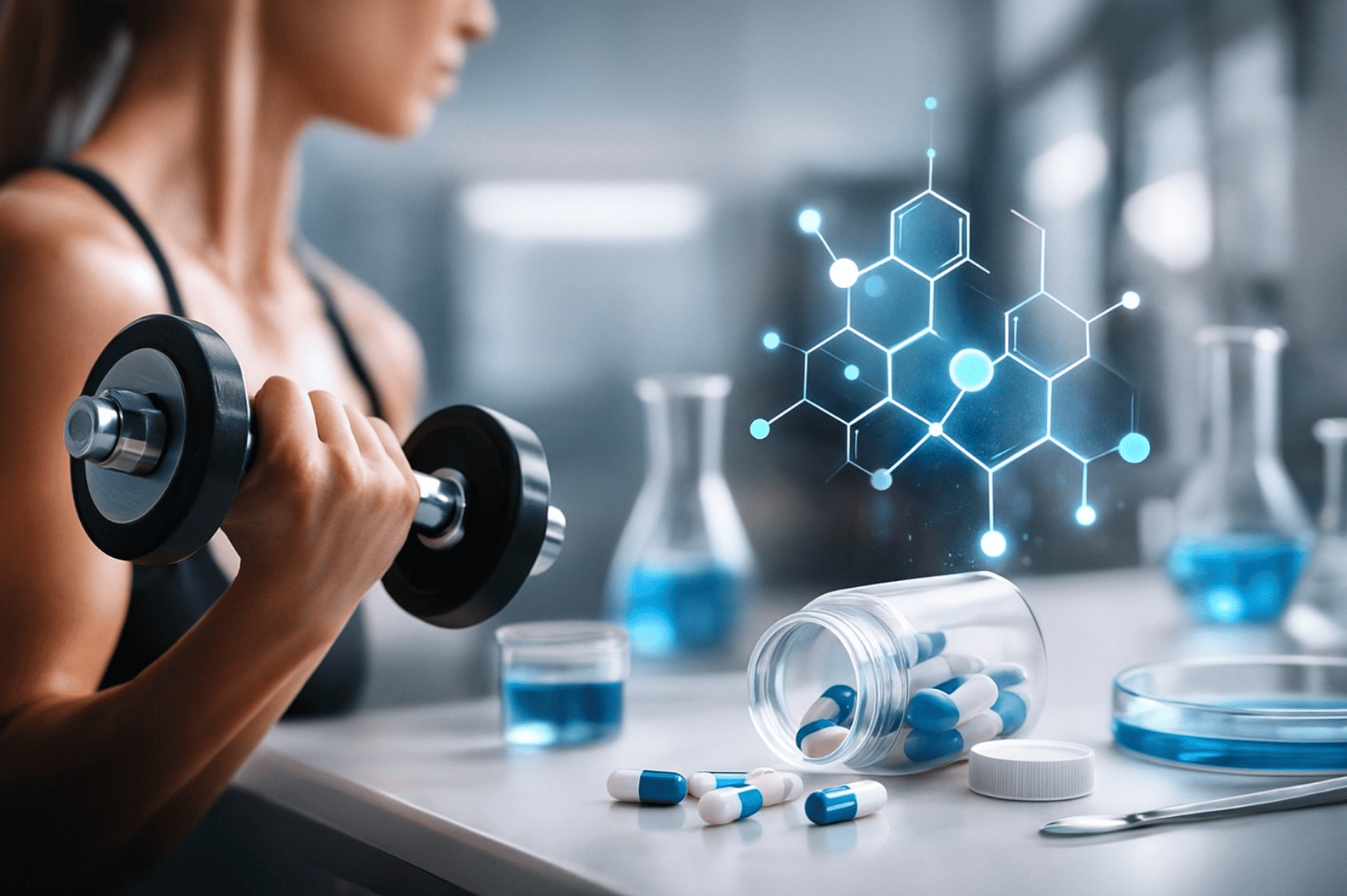
Scientists have sparked interest with a new discovery: after physical activity, the kidney releases a burst of a molecule called betaine that seems to trigger some of the same protective, age-slowing processes that exercise normally activates. This finding has led to early discussions about whether a future “exercise pill” could support people who are too ill, injured or elderly to stay active. The idea isn’t to replace movement but to give the body a boost when regular training isn’t possible. The research is still in its early stages, and much more testing is needed, yet the concept offers a fascinating glimpse into how deeply scientists are beginning to understand the body’s natural anti-aging pathways.
“Have a good start to the week and feel free to write about topics that would interest you in the future. See you on Wednesday😊”
Stay healthy and enjoy your life