- Curetify
- Posts
- Last Week in Health: Our Health Is Failing — And Most People Don’t Even Realize It (It's not to late!)
Last Week in Health: Our Health Is Failing — And Most People Don’t Even Realize It (It's not to late!)
How everyday choices are quietly pushing people toward burnout and poor health

Marcel Gärtner
December 29, 2025
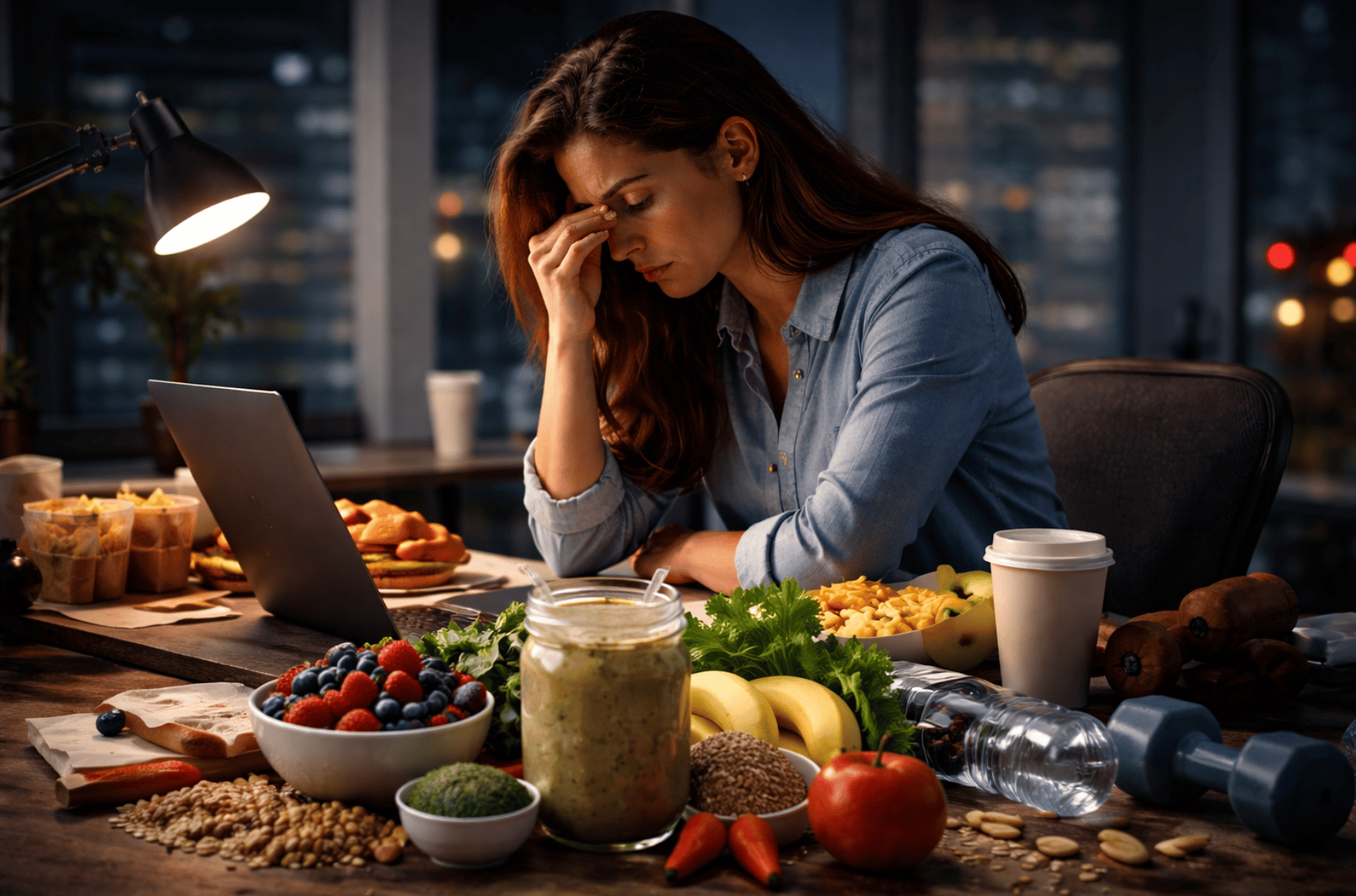
Something doesn’t feel right anymore.
People are more exhausted than ever. Energy is low. Focus is gone. Weight gain feels constant. And yet, everyone is working harder and trying to do the “right” things. It’s not because people don’t care. It’s because modern life makes health easy to ignore and hard to protect. Over the past week, several stories have pointed to the same truth. Small daily choices matter more than extreme solutions. How working professionals eat. What simple foods can support the brain. Why crash diets keep failing while realistic habits start to win again. Once you connect these dots, you realize something important. Health doesn’t collapse overnight. It slowly fades when we stop paying attention….
Serious Nutrition Problems Found Among Working Professionals

Many working people are slowly running on empty. Long days, early mornings, and constant pressure often lead to skipped meals and quick, unhealthy food choices. Over time, this shows up as low energy, weight gain, and a general feeling of being worn out. It’s not that people don’t care about their health — they’re simply tired, busy, and unprepared. Experts point out that small changes, like planning meals ahead of time or choosing better snacks during the day, could help working professionals feel stronger, more focused, and healthier again (Read more).
Can Eating Peanuts Improve Brain Function?
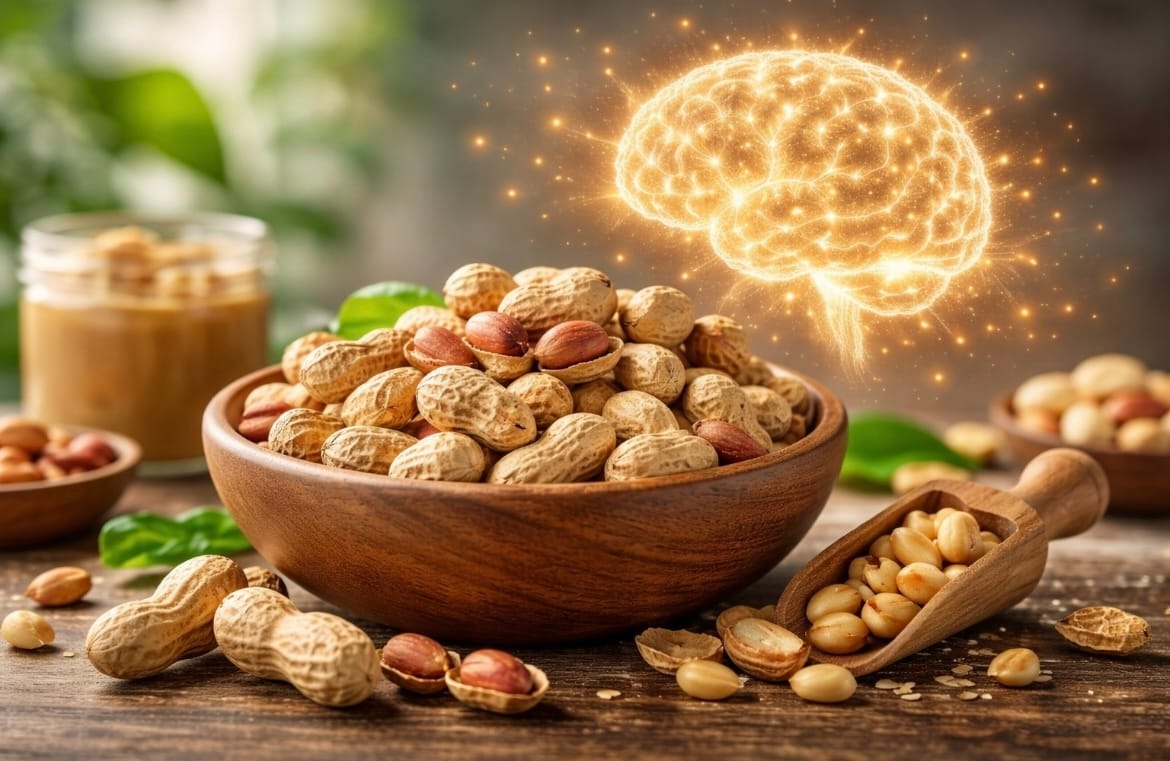
We often think brain health has to be complicated. Supplements, strict routines, expensive products. But sometimes it’s much simpler than that. Something as basic as eating peanuts regularly can support your brain in ways many people don’t expect. Over time, this habit may help improve blood flow in the brain and support memory and focus. It’s not about instant results or magic fixes. It’s about consistency. Small choices repeated daily can quietly protect your brain and lower the risk of cognitive decline as you get older. No pressure. No extremes. Just a simple food doing its job in the background (Learn more).
Crash Diets Are Failing in 2026 — Here’s What Actually Works
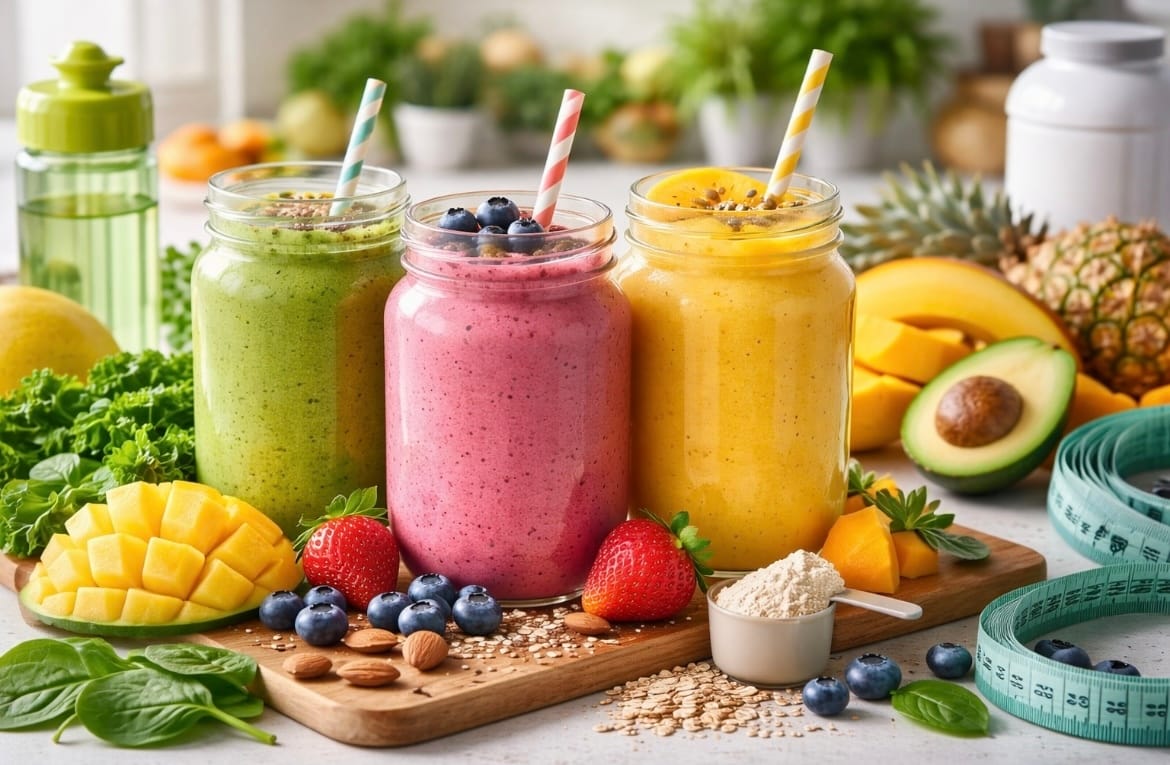
Crash diets promise fast results, but in 2026 more experts are warning people to stay away from them. Extreme calorie cuts, strict food rules, and short-term fixes often leave people exhausted, hungry, and frustrated. At first the scale may drop, but much of that weight comes from water and muscle, not real fat. As soon as the diet ends, the weight usually comes back — often with more cravings, slower metabolism, and less energy than before. Instead of teaching people how to eat, crash diets teach the body how to panic.
That’s why sustainable weight loss is no longer about eating less at all costs. It’s about eating smarter. The Smoothie Diet works because it avoids the biggest mistake crash diets make: deprivation. Instead of starving the body, it fuels it with nutrient-dense smoothies that keep you full, energized, and satisfied while naturally lowering calorie intake.
The key difference is structure without extremes. By replacing certain meals with carefully designed smoothies, the body gets fiber, protein, and essential nutrients while reducing processed foods and empty calories. This helps control hunger, stabilize blood sugar, and support fat loss without the constant feeling of restriction. Because the program follows a clear 21-day schedule, there’s no guessing, no chaos, and no burnout.
Unlike crash diets, the Smoothie Diet is flexible and realistic. It fits into daily life, supports energy instead of draining it, and can be continued beyond the initial program if needed. That’s why many people not only lose weight, but also feel better overall — clearer mind, better digestion, more consistent energy, and a healthier relationship with food.
In simple terms, crash diets break the body to force results. The Smoothie Diet works with the body to create them. And that’s exactly why it’s a better way to lose weight in 2026.
Over the past years, this approach has already helped thousands of women lose weight, regain energy, and build healthier habits without extreme rules or burnout.
If you want to see how this approach works in practice, you can learn more here:
Learn more about the Smoothie Diet → I’m ready
The Rise of “Fibermaxxing”: Why People Are Eating More Fiber Than Ever
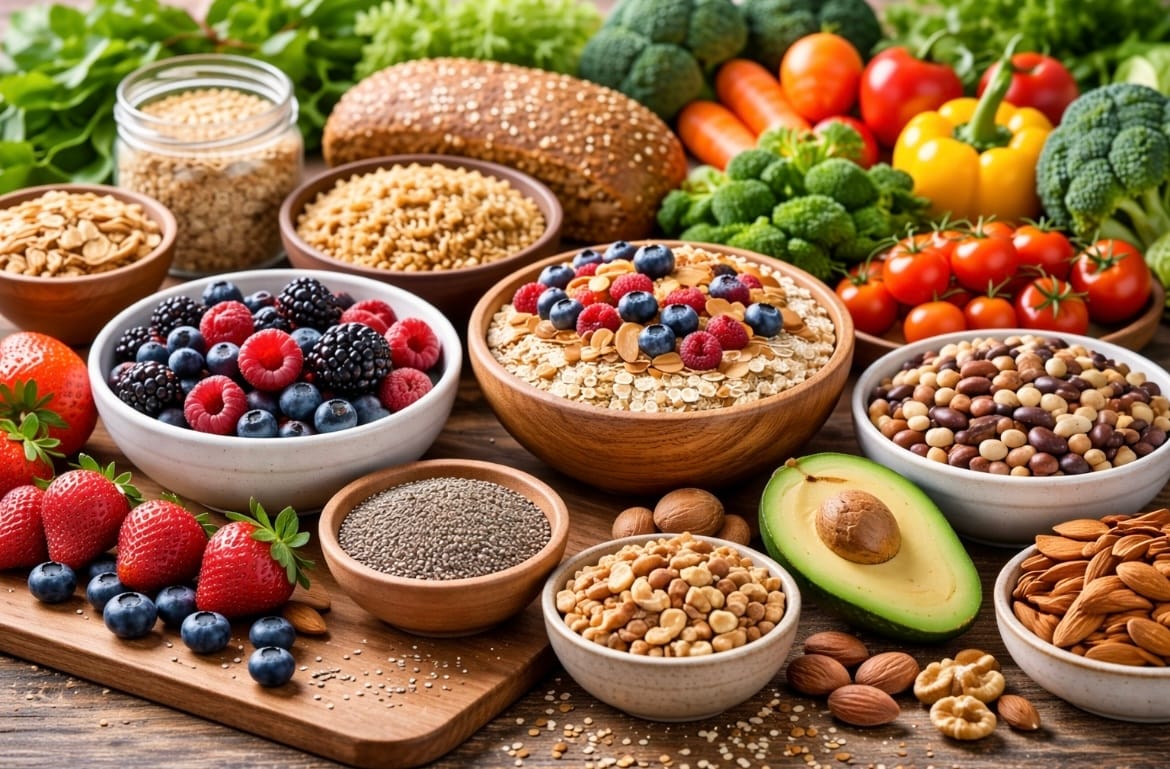
Fiber used to sound boring. Now it’s becoming the “secret weapon” for people who want to feel better without doing anything extreme. That’s basically what “fibermaxxing” means: adding more high-fiber foods to your day on purpose. Not because it’s trendy, but because it works.
When you eat more fiber, you usually feel full for longer. Your digestion often improves. Your energy feels more stable because fiber slows down how fast sugar hits your bloodstream. A lot of people also notice less bloating over time and fewer cravings, especially for sweets and snacks. And the best part is that you don’t need a complicated plan. It’s simple stuff like adding berries, oats, chia seeds, beans, lentils, vegetables, and whole grains to meals you already eat.
People are leaning into fiber now because it’s a low-effort change with real payoff. It’s not a crash diet. It’s not “cut everything out.” It’s just giving your body what it’s been missing — and letting your gut do the rest (Read more).
Have a good start to the week and feel free to write about topics that would interest you in the future. See you on Wednesday😊”
Stay healthy and enjoy your life