- Curetify
- Posts
- Last Week in Health: This Isn’t Bad Luck. It’s What Modern Life Is Doing to Our Health
Last Week in Health: This Isn’t Bad Luck. It’s What Modern Life Is Doing to Our Health
From obesity to gut health: what’s really driving modern health issues

Marcel Gärtner
December 22, 2025
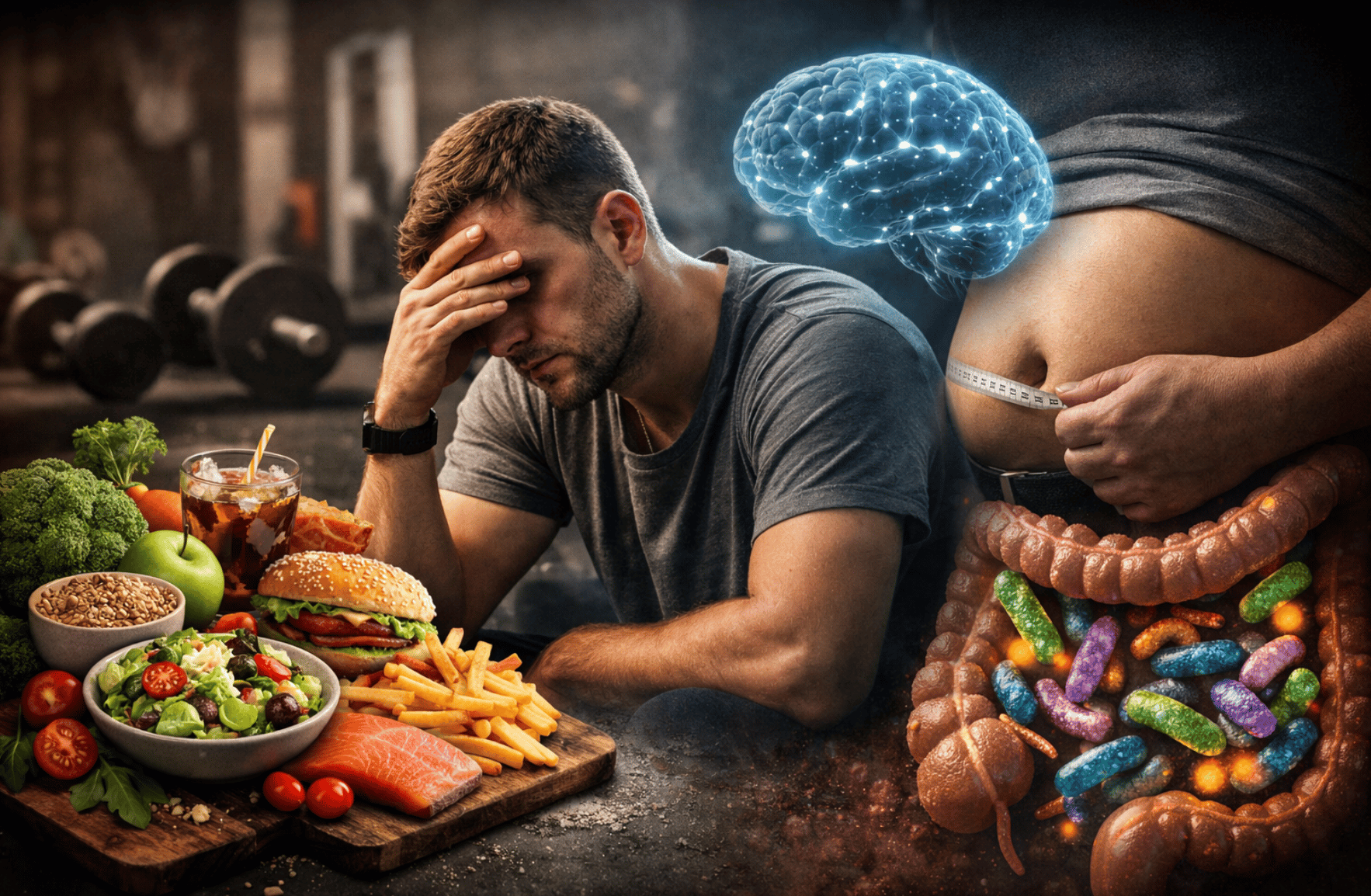
Something isn’t adding up. We try to eat better, move more, and follow health advice—yet more people than ever feel tired, bloated, unfocused, or stuck with their bodies. Quietly, our daily habits are reshaping our health in ways we don’t always notice until it’s too late. New insights are beginning to reveal why this is happening and what really matters for long-term well-being. Once you start connecting the dots, you realize that health isn’t about one rule or one trend—but about understanding the signals your body has been giving you all along….
A Global Health Emergency: Overweight and Obesity on the Rise

According to the World Health Organization (WHO), overweight and obesity have become a serious global health crisis. Current data show that about 1 in 8 adults worldwide is living with obesity, and more than 390 million children and adolescents are overweight or obese. This clearly shows that the problem does not affect only one country or one age group – it affects people of all ages around the world.
The WHO emphasizes that this rise is mainly driven by unhealthy diets and a lack of physical activity in modern life. Obesity increases the risk of long-term diseases such as heart disease and type 2 diabetes and puts growing pressure on healthcare systems. These numbers highlight how urgent it is to improve nutrition, movement, and health-supportive environments worldwide.
Strength Training May Help Keep Your Brain Young

New research suggests that strength training doesn’t only benefit your muscles — it may also support a healthier, younger-looking brain, especially during middle age. Studies discussed by The Washington Post show that people with more muscle mass tend to have a lower biological brain age, meaning their brains look younger than expected for their actual age. In contrast, higher levels of visceral fat (deep belly fat) are linked to older-looking brains.
In simple terms, muscle plays an important role beyond movement. It helps regulate blood sugar, inflammation, and overall metabolism, all of which strongly affect brain health. When these systems work well, the brain may age more slowly and stay more resilient.
How Food Shapes Your Gut and Your Health
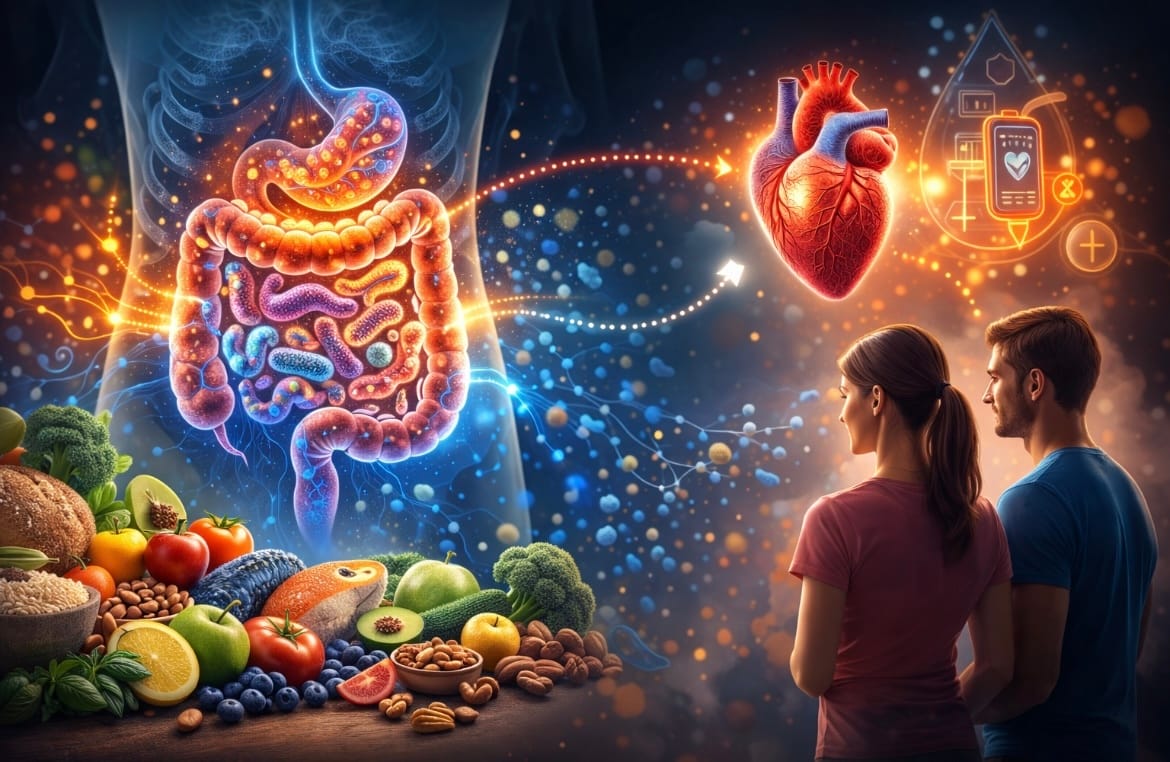
A large international study published in Nature analyzed data from over 34,000 people and showed a clear link between diet, the gut microbiome, and cardiometabolic health. Researchers found that different eating habits are associated with specific gut bacteria, and that these bacteria are linked to either lower or higher risk for conditions like obesity and heart disease. This means food does more than provide energy — it actively shapes the gut ecosystem in ways that influence long-term health. The findings are important because they connect diet and disease risk at a population level and suggest that future nutrition advice could become more personalized, based on how individual gut bacteria respond to food.
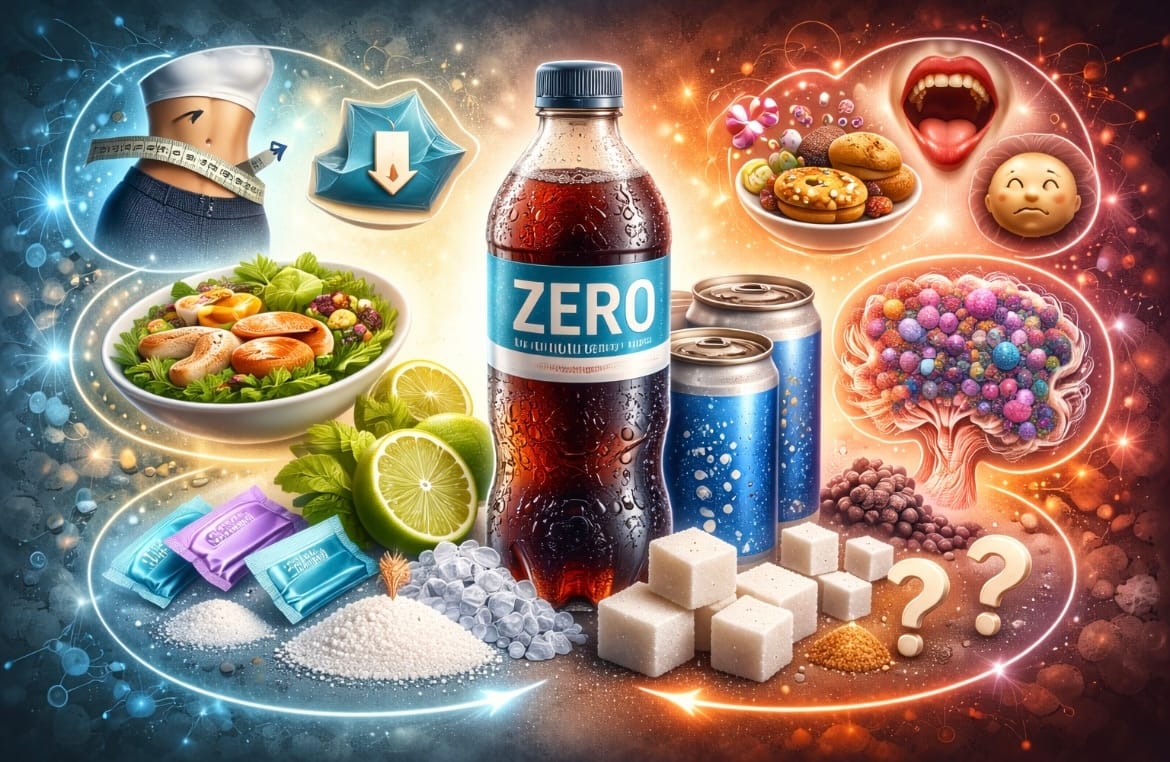
Zero drinks and artificial sweeteners are often used to make dieting easier by adding sweetness without calories. Recent research shows no clear evidence that sweeteners directly prevent weight loss. When they replace sugary drinks and help reduce overall calorie intake, they can be useful.
However, studies also suggest possible indirect effects. For some people, sweeteners may influence appetite regulation, leading to stronger cravings or more snacking later. There are also indications that high intake could affect the gut microbiome, though long-term effects are still unclear.
The current consensus is balanced: artificial sweeteners are not forbidden, but they are not harmless in unlimited amounts either. Their impact depends on how much you consume and in what context.
In short, zero drinks can support weight loss if used intentionally—but relying on them too heavily may work against your goals (Why it matters).
Why Digestion Becomes a Bigger Focus in Winter

During the winter months, attention around nutrition often shifts toward digestion. On social media, in articles, and in podcasts, many people talk more about bloating, water retention, and gut health. Colder weather, heavier foods, less movement, and higher stress levels can all slow digestion and make these issues more noticeable.
Instead of extreme detox trends, the focus is becoming calmer and more practical. People are paying more attention to fiber, warm meals, soups, and simple foods that are easier on the stomach. Warm, regular meals are seen as a way to support the gut and reduce discomfort.
Overall, the winter trend is less about “cleansing” the body and more about giving the digestive system stability and rest, helping people feel lighter and more comfortable during the colder season (Read more).
“For those struggling with weight loss, I’ve linked a simple 21-day smoothie reset many people use as an easy starting point.”
Stay healthy and enjoy your life