- Curetify
- Posts
- This Week in Health: Could a heart drug discovered last week save more lives than aspirin?
This Week in Health: Could a heart drug discovered last week save more lives than aspirin?
From silent risks to breakthrough discoveries — this week shows just how quickly our health can be rewritten

Marcel Gärtner
September 08, 2025
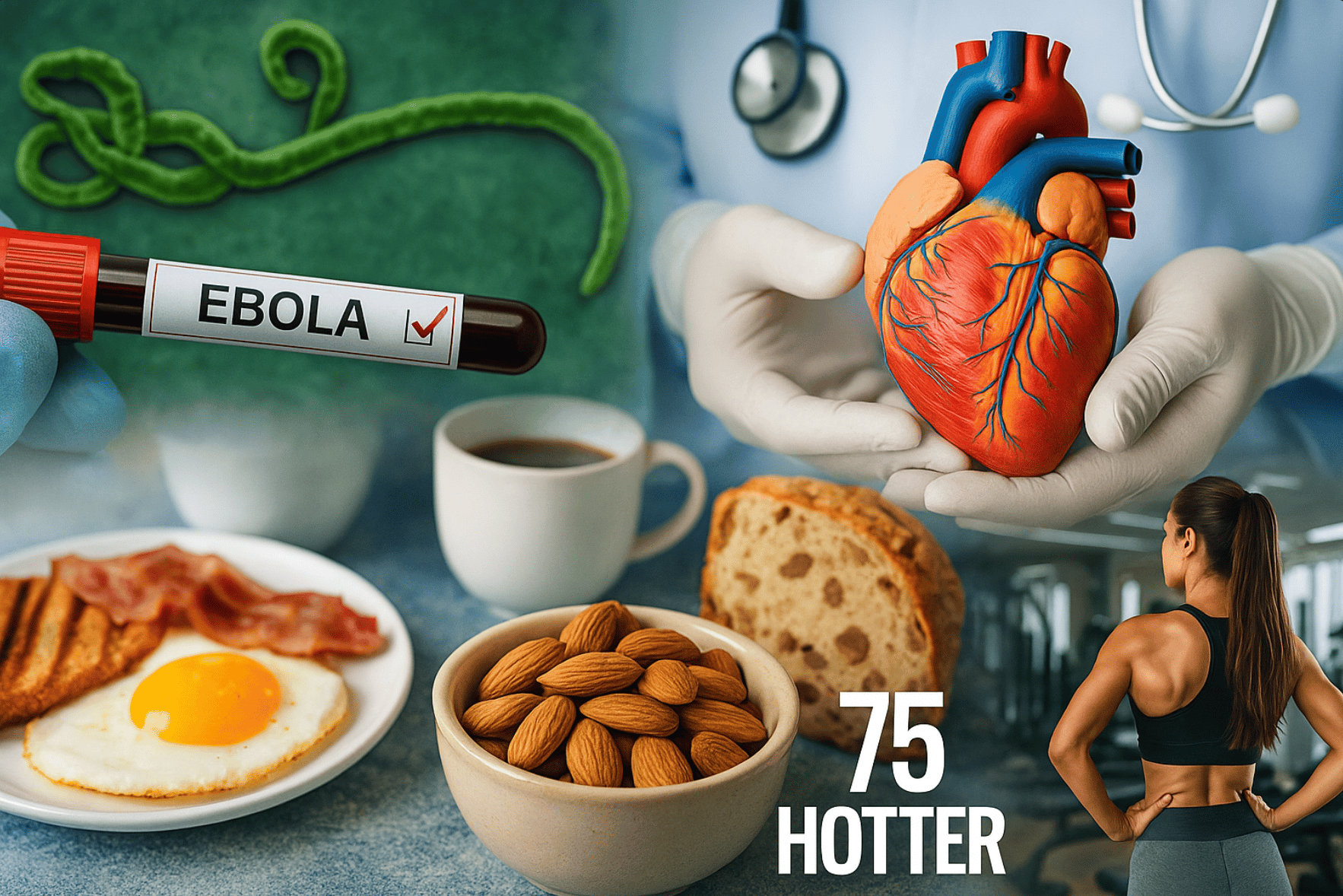
Health never stands still. One week it’s a dangerous outbreak shaking global security, the next it’s a discovery that challenges everything we thought we knew about the heart, longevity, or even something as simple as what’s on our breakfast table. And just as science moves forward, new fitness trends are rewriting how people take care of themselves every day.
What ties all of this together is simple — our health is changing right now, in ways we can’t afford to ignore.
1. New Ebola Outbreak in the Democratic Republic of Congo
a new Ebola outbreak was confirmed in the Kasai province of the Democratic Republic of Congo. So far, at least 15 people have died, including four healthcare workers, and 28 suspected cases are under investigation.
The World Health Organization (WHO) has rushed in emergency support, setting up mobile labs and sending 2,000 doses of the Ervebo Ebola vaccine for targeted vaccination.
This is already the 16th Ebola outbreak in the DRC since 1976, showing how dangerous and persistent the virus remains. Experts warn that without strong global cooperation and funding, the fragile local healthcare system could quickly become overwhelmed (Read more).

2. Heart Disease Breakthroughs
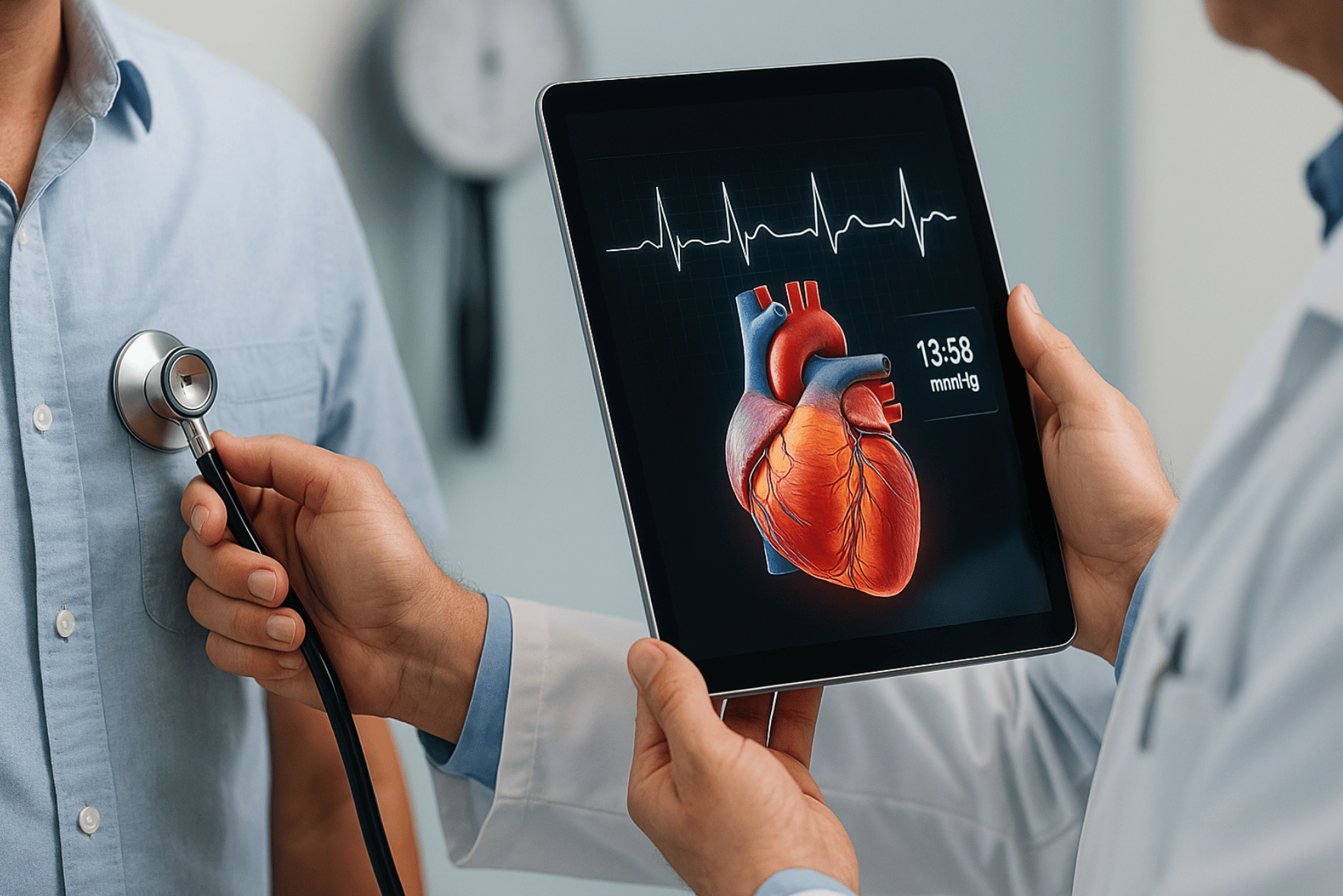
Last week, the spotlight was on heart health at a major cardiology conference in Madrid. Scientists presented a new blood pressure drug that finally helps patients who don’t respond to standard therapy. Another large trial showed that Clopidogrel works better than Aspirin at preventing heart attacks and strokes. On top of that, new AI tools were introduced that can detect heart problems in just 15 seconds with a digital stethoscope. And researchers also revealed that the shingles vaccine lowers the risk of heart attacks and strokes by up to 18%. Together, these findings could completely change how doctors treat cardiovascular disease in the future (Read more).
3. Breakfast Timing and Longevity
A new 20-year study following nearly 3,000 older adults revealed something surprising: the time you eat breakfast may affect how long you live. The research found that every one-hour delay in breakfast increased the risk of early death by about 10%. An early breakfast seems to support healthier metabolism, better blood sugar balance, and longer life. This makes breakfast timing a new focus in nutrition and healthy aging (Read more).

4. Almonds Reduce Heart Risk
Another big nutrition update came from a meta-analysis of 36 studies with over 2,400 participants. The results showed that eating almonds daily can lower LDL cholesterol and ApoB, two of the most important risk factors for heart disease. Scientists say almonds are one of the best heart-healthy snacks you can add to your diet. Just a handful a day can make a real difference for long-term health (Read more).

5. The “75 Hotter” Challenge
On TikTok and Instagram, the new “75 Hotter” challenge went viral last week. It’s seen as the softer, more sustainable answer to the extreme “75 Hard” challenge. Instead of pushing strict workouts and tough discipline, “75 Hotter” encourages daily movement like walking or yoga, balanced eating, proper hydration, and self-care habits such as sleep and mindfulness. Fitness experts say this approach is easier to stick with and much healthier in the long run, making it especially popular with Gen Z and people who want to improve their lifestyle without burning out (Read more).

Stay healthy and enjoy your life