- Curetify
- Posts
- What Are Peptides And Why Is Everyone Talking About Them?
What Are Peptides And Why Is Everyone Talking About Them?
Do they truly help your body or are they just clever hype?

Marcel Gärtner
November 07, 2025
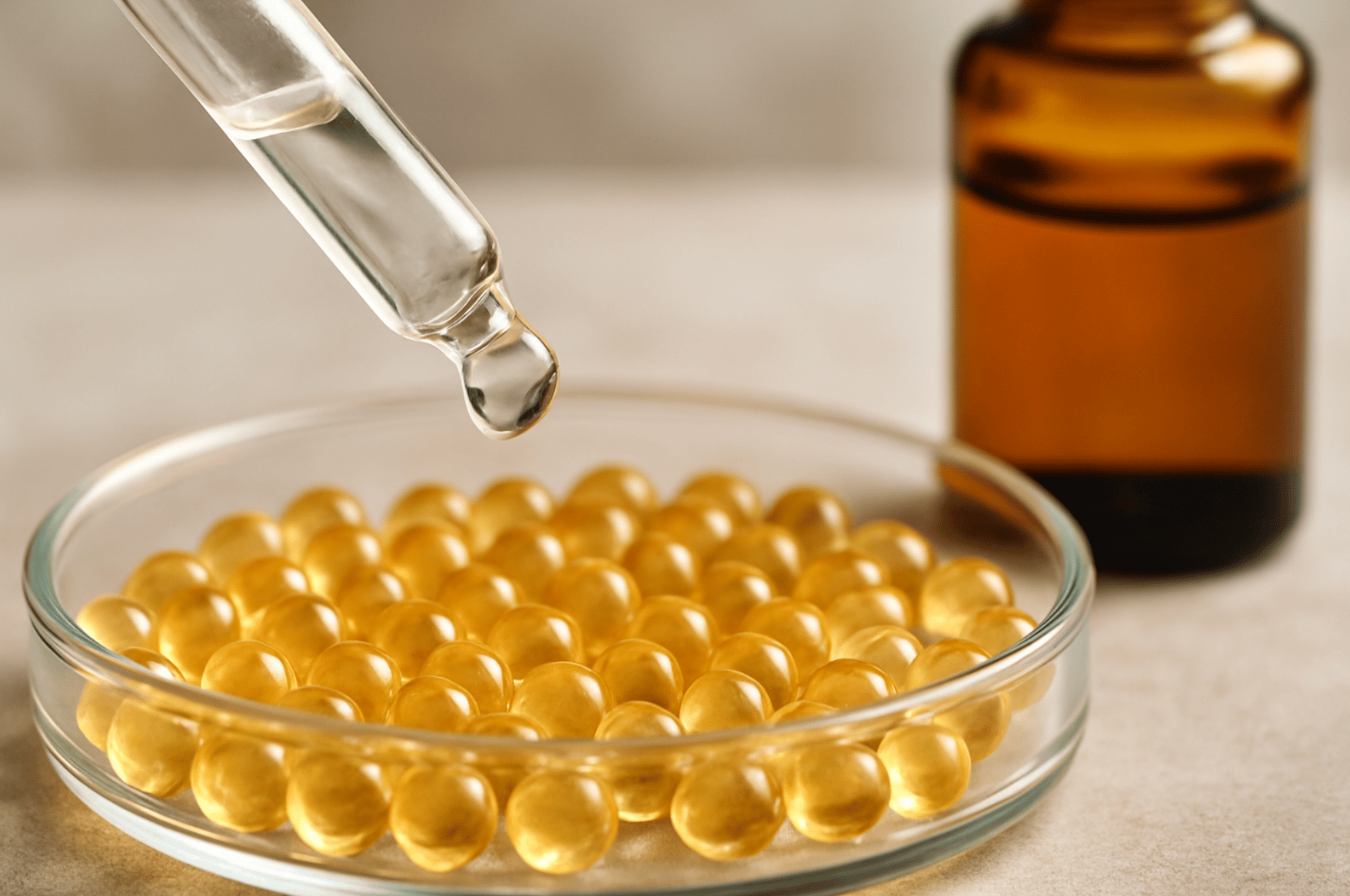
Every few years, a new word seems to take over the worlds of beauty and health — and right now, that word is peptides. They’re in creams, drinks, even injections, all promising smoother skin, stronger muscles, and a body that somehow repairs itself. But behind the shiny marketing and scientific language, not everything is as simple as it sounds. Are peptides really the secret everyone has been waiting for, or just the newest way to sell hope in a fancy bottle?
What are peptides and why is everyone talking about them?
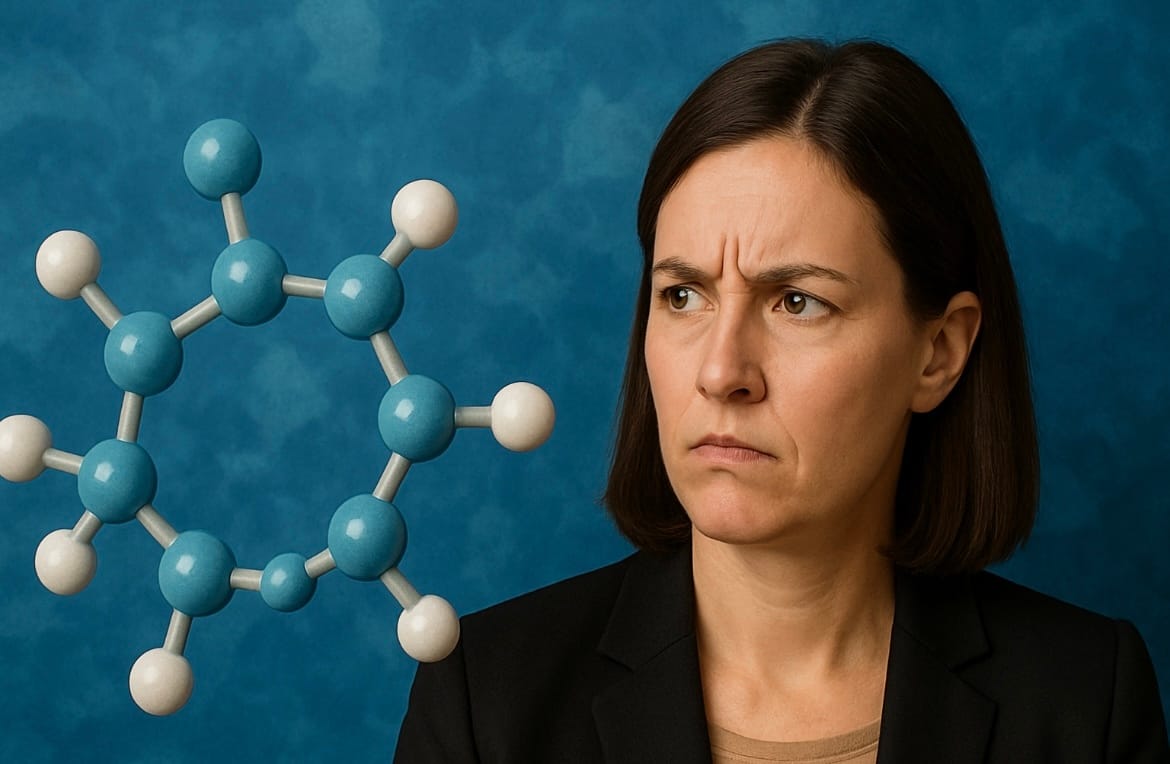
Peptides are tiny pieces of protein that your body already makes on its own, so in a way, they’re nothing new. The reason people talk about them so much now is because beauty and fitness brands use the word “peptide” to make their products sound smarter and more scientific. Some of them may help your skin or muscles a little, but the truth is, most of what you see online is marketing, not magic.
Are peptides really that different from normal protein?
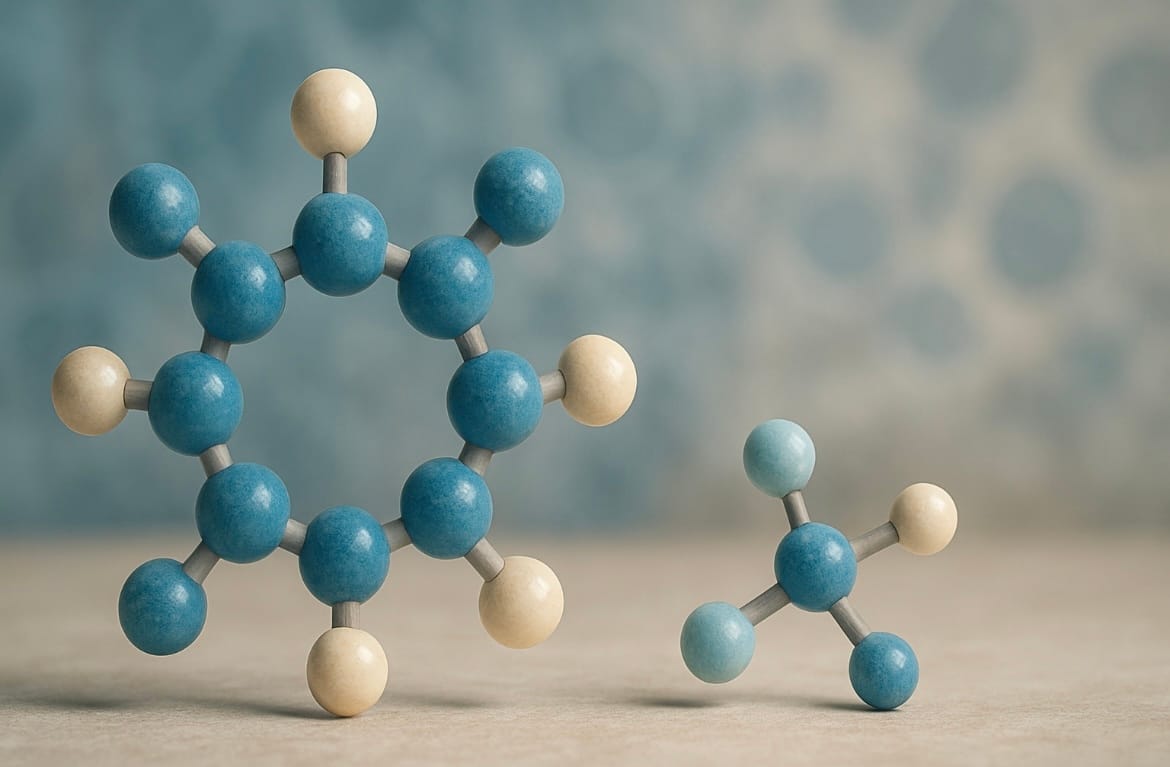
Not as much as people think. They’re just smaller parts of the same thing. Because they’re tiny, your body can use them faster, but that doesn’t mean they change everything overnight. You can get most of the same benefits from eating enough protein and staying hydrated. Peptides are more like a shortcut for small improvements, not a replacement for real nutrition.
Do peptides actually help your skin?
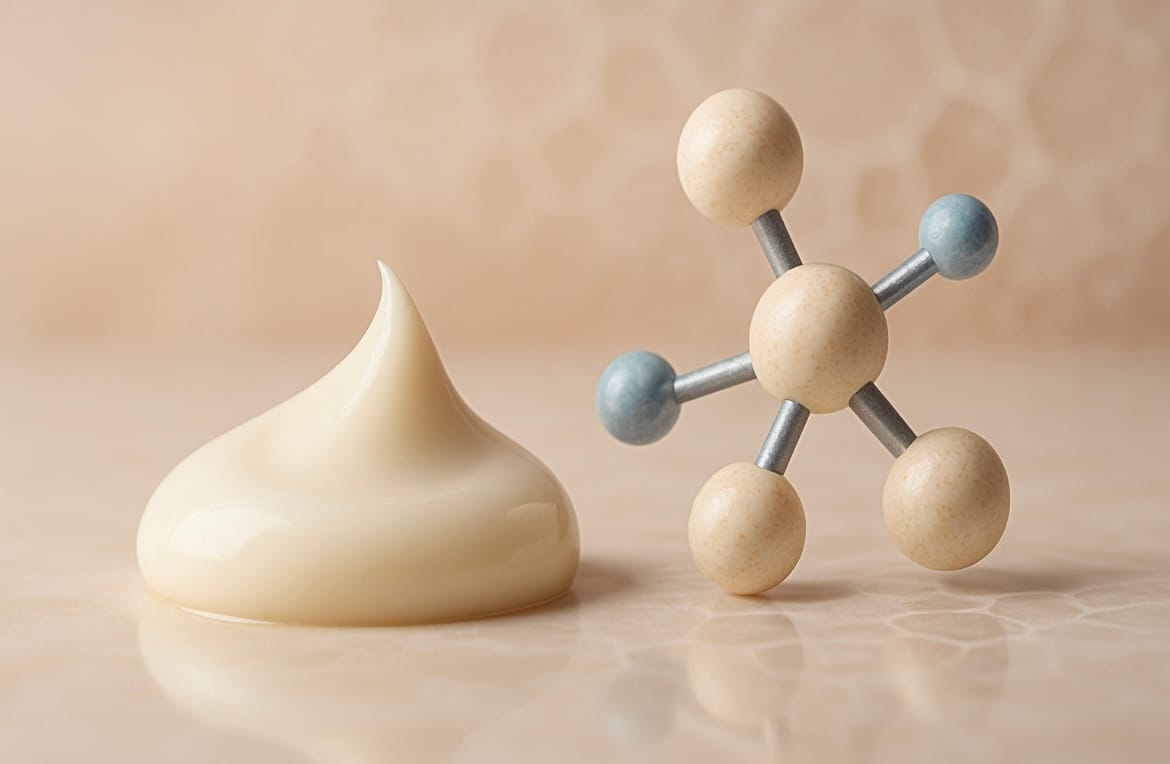
Some skincare peptides can tell your skin to make more collagen, which sounds great, but studies show the effect is often very mild. Many creams that claim “miracle peptide repair” don’t even let those ingredients reach deep enough to work properly. So while peptides might help a little with firmness or glow, no cream can turn back time.
Can peptides help you build muscle or lose fat?
Some special medical peptides can affect hormones or recovery, but they should only be used under strict medical control. The problem is that many “fitness peptides” sold online are untested, unsafe, or even illegal. Real results still come from sleep, training, and food, not from something in a vial. If a peptide sounds too good to be true, it probably is.
Are peptides safe?
Most that come from food or normal skincare are fine, but anything you inject or buy from random websites is risky. Because peptides work inside the body’s signaling system, using the wrong one or the wrong amount can mess with your heart, hormones, or liver. Real doctors use them in special cases, not as trends.
Do you really need peptides?
No, you don’t. They can be interesting to try, but your body already makes plenty of them naturally when you eat well, rest, and stay active. The hype makes them sound like a secret key to youth or fitness, but there’s no shortcut for a healthy lifestyle. Peptides might give a small push, but they’re not the miracle many people want them to be.
Personell thoughts:
“In the end, peptides aren’t the secret to perfect skin or a stronger body that many ads promise. They can support your health in small ways, but they’re not magic, and most of what you hear online is made to sell products, not to tell the truth. If you already eat well, sleep enough, and move your body, you’re giving yourself everything peptides claim to offer. So before spending your money or trusting the next viral promise, remember that real change still comes from simple, consistent habits — not from a trendy ingredient with a clever name.”
“Have a wonderful weekend and Comment on which topic I should cover next. See you on Monday😊”
Stay healthy and enjoy your life