- Curetify
- Posts
- You Are Feeding Your Body Plastic and Calling It Food (Act now!)
You Are Feeding Your Body Plastic and Calling It Food (Act now!)
How much of what you eat is real food and how much is plastic your body never asked for 💀🌍

Marcel Gärtner
October 29, 2025

Every day, we eat, drink, and enjoy the little routines that make us feel alive. But somewhere between what we choose and what we think we’re choosing, something invisible has quietly found its way in. It doesn’t change the taste, and you can’t see it — yet it touches almost everything around us. Once you realize where it hides, you’ll never look at your plate the same way again…
🐟 1. Fish and Seafood (especially mussels and shrimp)

Fish and shellfish often contain microplastics because our oceans are full of tiny plastic particles that float in the water. Mussels, oysters, and shrimp filter large amounts of seawater to feed, and in the process, they also absorb these plastic fragments. When we eat them, the microplastics come with them.
Better choice: Choose fish from freshwater sources or farms that are regularly tested for contamination. You can also eat more plant-based omega-3 sources like chia seeds, flaxseeds, and walnuts — they nourish your body without the risk of plastic exposure.
🧂 2. Sea Salt

Sea salt is literally made by evaporating ocean water — and that water now contains microplastics from decades of pollution. These small fragments remain in the salt crystals we eat. Studies have found thousands of plastic particles per kilogram of sea salt (Read more).
Better choice: Switch to rock salt or Himalayan salt, which comes from ancient underground deposits formed long before modern plastic existed. It tastes just as good and is free from ocean contaminants.
🍵 3. Tea Bags Made with Plastic or Nylon
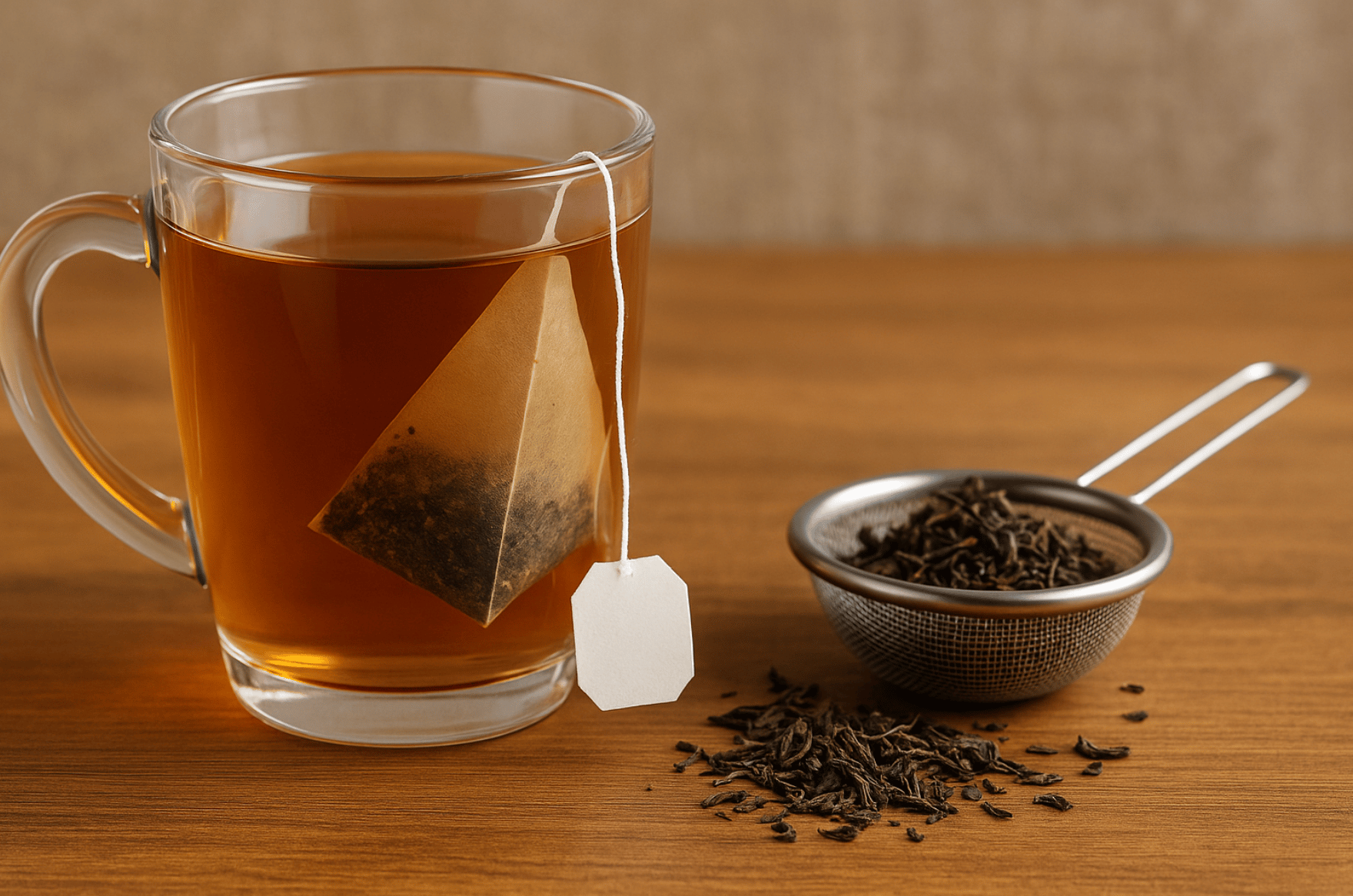
Some “silky” or pyramid-shaped tea bags are made with nylon or polyethylene terephthalate (PET). When you pour hot water over them, the heat releases millions of microscopic plastic fibers into your tea. You can’t see them, but they end up in your body (Must read).
Better choice: Use loose-leaf tea brewed in a stainless steel or bamboo strainer. Not only is it plastic-free — it also tastes fresher, more aromatic, and more authentic.
🧃 4. Bottled Water and Soft Drinks

Plastic bottles, especially PET ones, shed microplastic particles into the liquid inside. This happens during bottling, transport, and storage — and the longer the bottle sits, the more particles it releases. Some studies found hundreds of thousands of plastic pieces in a single liter of bottled water.
Better choice: Drink filtered tap water or water stored in glass or stainless steel bottles. It’s cleaner, cheaper, and much kinder to the planet.
🍝 5. Processed and Packaged Foods
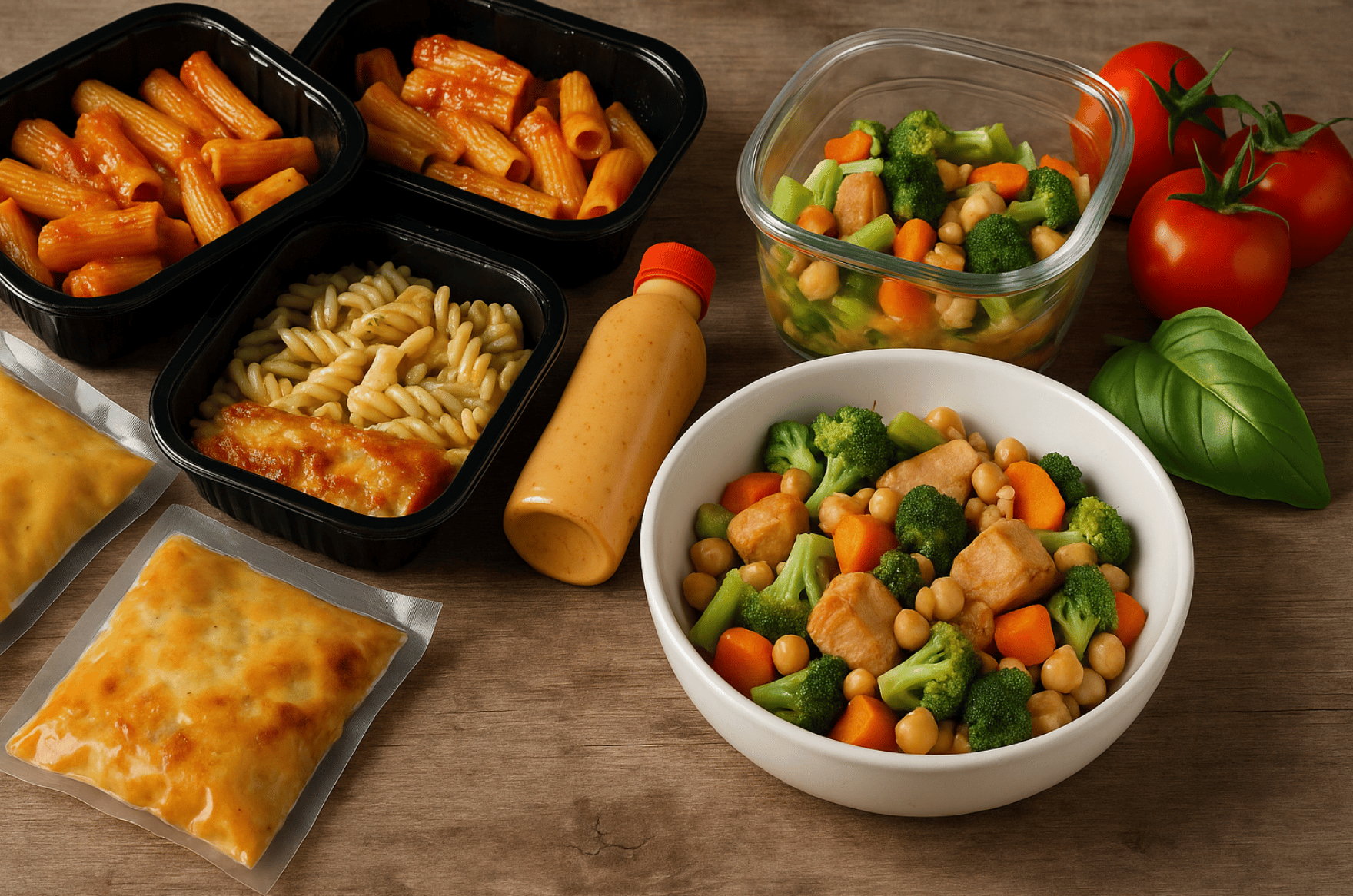
Instant meals, frozen dinners, and sauces often come in plastic containers that are heated during processing or in the microwave. Heat causes small amounts of plastic to leach into the food, especially when the packaging isn’t designed for high temperatures (Learn more).
Better choice: Cook fresh, simple meals at home whenever possible. Store leftovers in glass or ceramic containers. Not only will your food taste better — you’ll also protect your body from hidden plastic residues.
“Have a great week and and feel free to write which topic you would like me to cover next. See you on friday😊”
Stay healthy and enjoy your life